
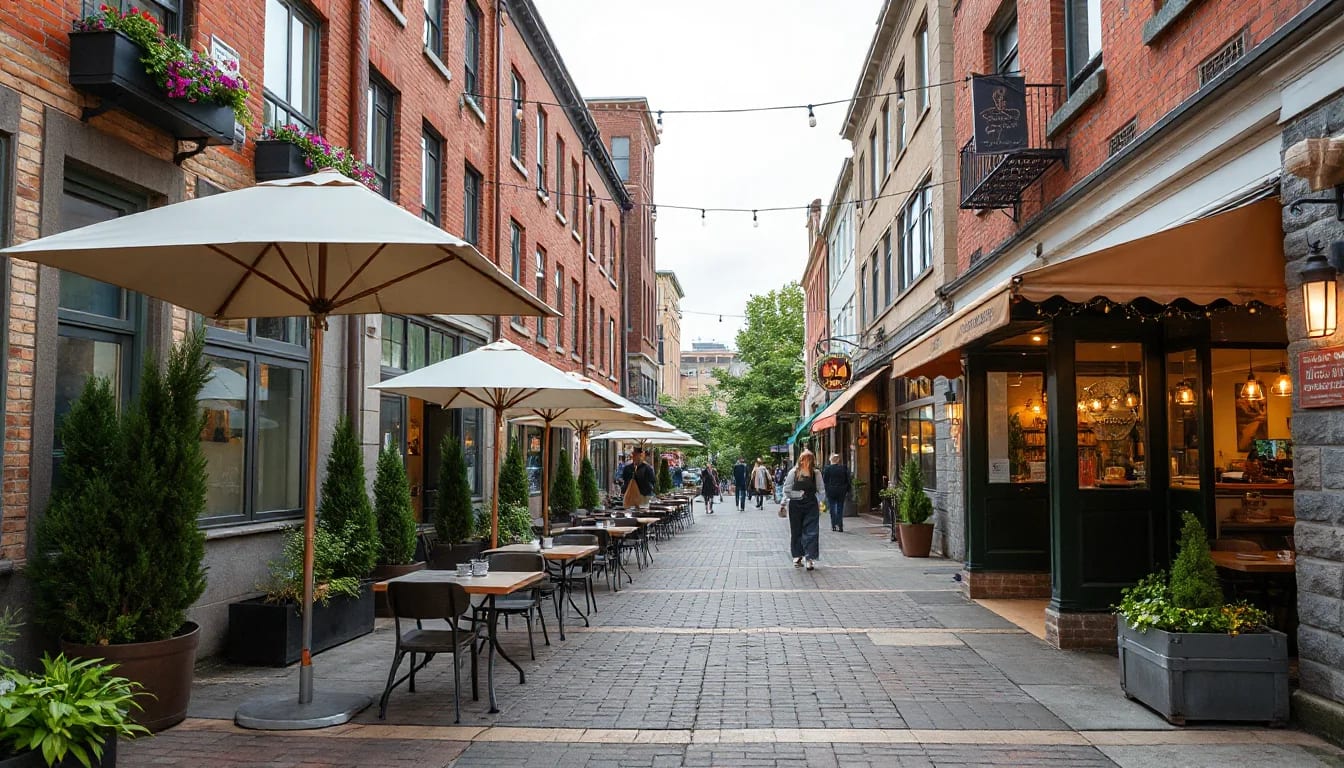
Ballard offers a distinctly Northwest mix of waterfront access, leafy parks, independent dining, historic streets, and practical connections to the rest of Seattle. Whether you are comparing housing styles, commute options, or everyday amenities, a closer look at the neighborhood’s blocks and nearby destinations can make a home search far more focused.
A Neighborhood Shaped by Water, Green Space, and Everyday Convenience
Ballard sits in northwest Seattle with a personality built from maritime history, established residential streets, and an active commercial core. The neighborhood’s appeal is not limited to one feature: a morning can begin with a walk near the Ballard Locks, continue through a local park, and end with dinner or live music along Ballard Avenue. That variety gives buyers and residents many ways to experience the area from day to day.
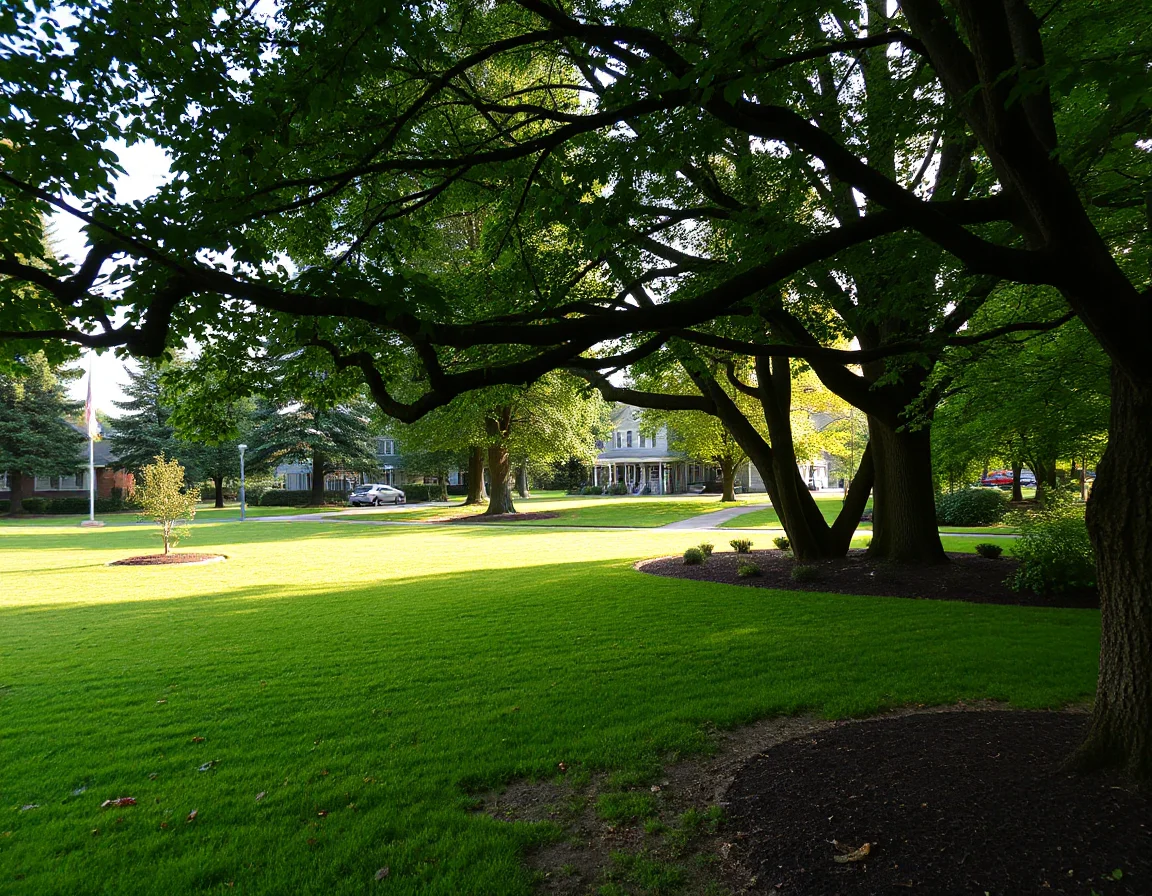
Green space is woven into the local map. Golden Gardens Park offers shoreline views, beach access, trails, and a setting that feels removed from the city while remaining within Seattle. Closer to the neighborhood core, smaller parks and planted streets provide places to pause between errands, meet friends outdoors, or take a longer route home. The Burke-Gilman Trail also creates a well-known corridor for cycling, running, and connecting toward other parts of the city.
Ballard’s waterfront is equally important to its sense of place. The Hiram M. Chittenden Locks bring boats, salmon migration viewing areas, and a working-waterfront atmosphere together in one memorable destination. Nearby industrial and maritime uses are part of the neighborhood’s history, while residential blocks a short distance away offer a range of architectural styles and lot sizes.
In Ballard, the feel of a location can change within a few blocks: compare access to major corridors, nearby parks, topography, and street activity at different times of day before narrowing a home search.
For buyers, this makes an in-person visit especially useful. A home near the neighborhood’s busier corridors may offer quick access to dining and services, while a property farther from the central avenues may feel more residential and tucked away. Neither setting is universally better; the most useful comparison is how each location aligns with your preferred routine, transportation needs, and desired home features.
Dining, Local Gathering Places, and Ballard Avenue
Ballard Avenue is one of Seattle’s most recognizable neighborhood destinations, with preserved brick buildings, a walkable street grid, and a concentration of places for meals, coffee, music, and casual gatherings. Its historic character helps give the area an identity that feels different from newer commercial districts, while the adjacent streets keep adding options for everyday errands and evenings out.
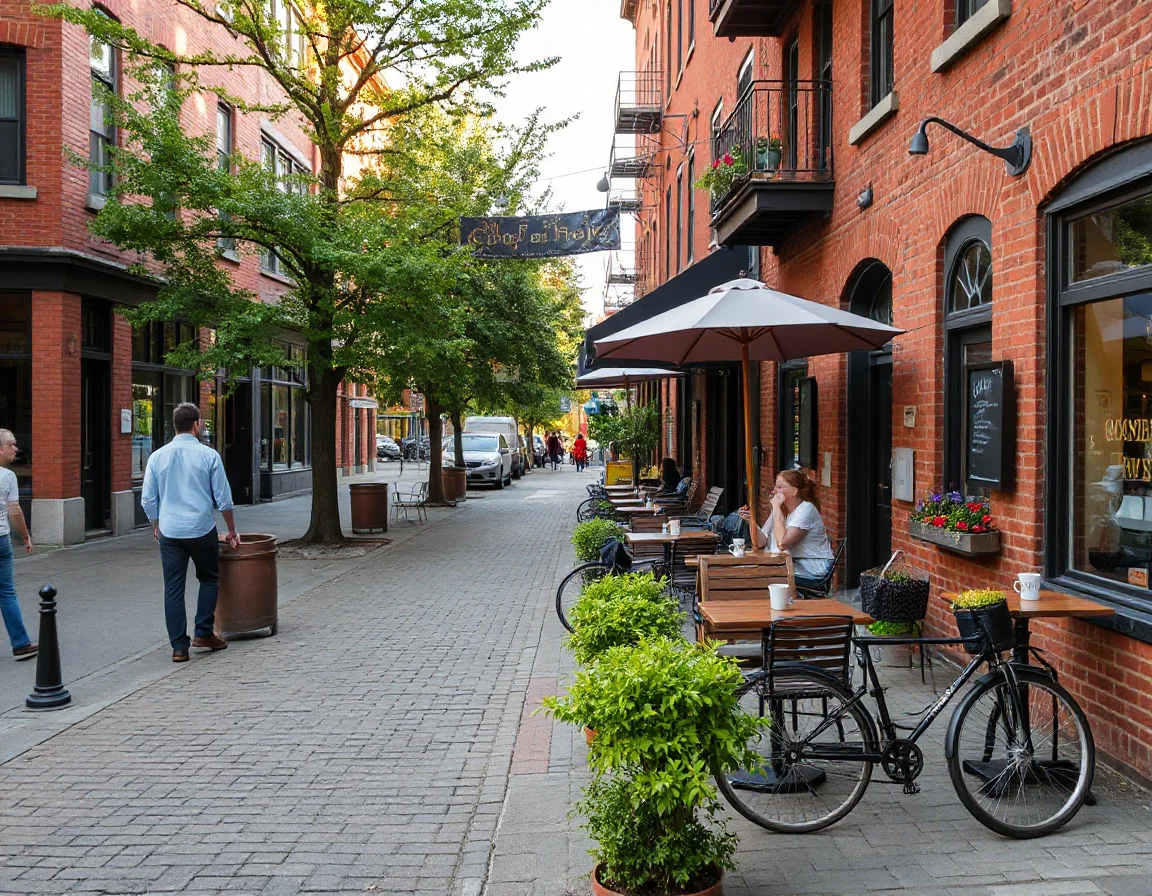
The Ballard Farmers Market is another regular point of connection, bringing seasonal produce and local makers to the neighborhood on Sundays. For many residents, the draw is not simply the event itself but the ability to combine a market visit with a walk, a meal, or time along nearby streets. Seasonal programming, local arts, and venues for music add more reasons to explore beyond a single destination.
These amenities can influence housing decisions in subtle ways. Walkability may mean a short route to a favorite bakery, a practical grocery stop, or access to a bus line rather than a particular score or label. Buyers can benefit from mapping the specific places they expect to use each week and then testing the route from prospective homes on foot, by bike, or by transit.
Older commercial buildings and established residential areas also mean that Ballard housing can be varied. Condominiums, townhomes, craftsman houses, newer infill construction, and small multifamily properties may all be part of the search. Inventory, condition, parking arrangements, HOA details, and renovation history deserve as much attention as nearby amenities when comparing options.
Transit, Routes, and the Rhythm of Getting Around
Transit is a key practical consideration for Ballard residents. King County Metro service connects the neighborhood with downtown Seattle, the University District, Fremont, Queen Anne, and other destinations, while major streets such as 15th Avenue Northwest and Northwest Market Street organize much of the area’s vehicle and bus access. Service patterns can change, so reviewing current routes and schedules is a smart step before making a decision based on commute expectations.
Ballard is also a neighborhood where transportation choices may differ by block. Some homes are close to frequent bus service, while others may make driving, cycling, or a mixed-mode commute more convenient. Street parking, off-street parking, garage access, and loading space can be meaningful factors, especially for buyers considering townhomes or properties near busier streets.
For people who enjoy cycling or walking, the Burke-Gilman Trail and the neighborhood’s connected street network create options for daily travel and recreation. Hills, weather, road conditions, and personal comfort levels still matter, of course. The best approach is practical: make a trial run during the times you would actually travel, and notice details such as intersections, lighting, crossing distances, and the availability of secure bicycle storage at a property.
What to Evaluate When Comparing Ballard Homes
A thoughtful Ballard search starts with priorities that go beyond bedroom count. Consider the building era, maintenance needs, layout efficiency, outdoor space, natural light, and the relationship between the home and its street. In older houses, buyers may want to review systems, insulation, drainage, electrical updates, and permits for previous work. In condos and townhomes, HOA budgets, reserve studies, rental policies, and shared-maintenance responsibilities are important parts of the picture.
It is also helpful to distinguish between a property’s current condition and its potential. A smaller home with a well-planned layout may suit one buyer better than a larger home requiring extensive updates. Similarly, a newer townhouse can offer lower near-term maintenance in some cases, while an older home may provide different architectural details, yard space, or renovation opportunities. A comparative analysis of recently sold homes and currently available properties can help place these tradeoffs in market context.
The strongest comparison is often not price alone: weigh monthly ownership costs, maintenance outlook, parking, transit access, and the condition of major systems alongside the home’s location.
Ballard also includes opportunities relevant to property owners and investors, from residential rentals to small commercial spaces. Any investment decision should account for local regulations, property condition, operating costs, tenant needs, and realistic income assumptions. Professional guidance can be useful when assessing a property’s specific performance potential rather than relying on broad neighborhood impressions.
Finding Your Own Ballard Routine
The most compelling part of Ballard living is the way its components fit together: water and parks, historic streets and newer construction, neighborhood gathering places and regional connections. A home search here can be as much about discovering a preferred routine as selecting a floor plan. Spend time on the blocks that interest you, visit during weekday and weekend hours, and keep notes on what feels practical for your daily life.
With a clear list of priorities and a close look at each property’s details, buyers can approach Ballard with confidence. From the Locks to Golden Gardens, from the Burke-Gilman Trail to Ballard Avenue, the neighborhood offers many distinct settings within one part of Seattle—each worth exploring on its own terms.