
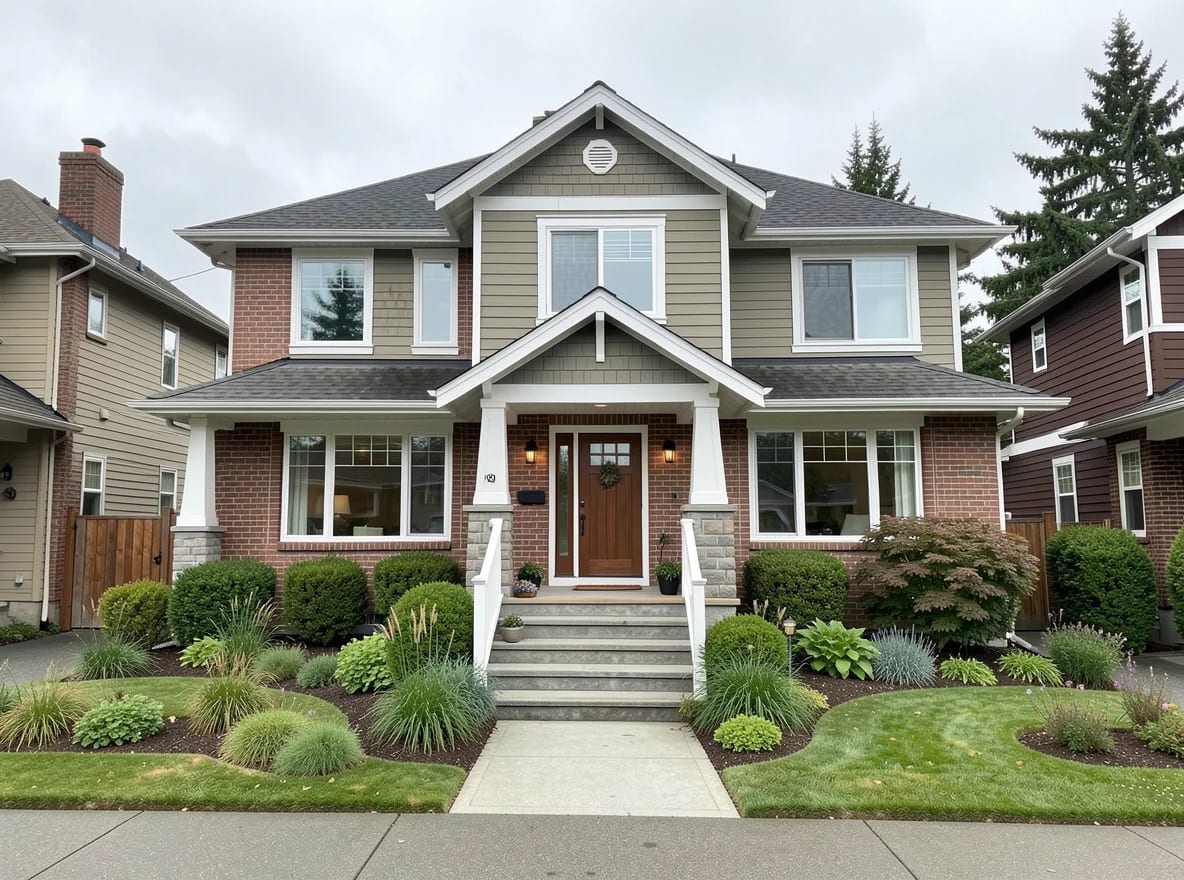
A successful home sale starts well before the listing goes live. This Mercer Island checklist helps you prioritize repairs, prepare rooms for photography, choose a defensible price, and anticipate the costs and decisions ahead. Start with the work that helps buyers understand and value your home, rather than assuming every project needs to be finished.
Start With a Plan for Your Home
Preparing to sell can feel like a long list of competing tasks: fix the deck, clear the closets, choose a price, and figure out where everything goes during showings. Before spending money, walk through your home with a broker and discuss your goals, preferred timing, and the features that distinguish the property. A focused plan can help you decide which improvements are worth considering and which can be left for the next owner.
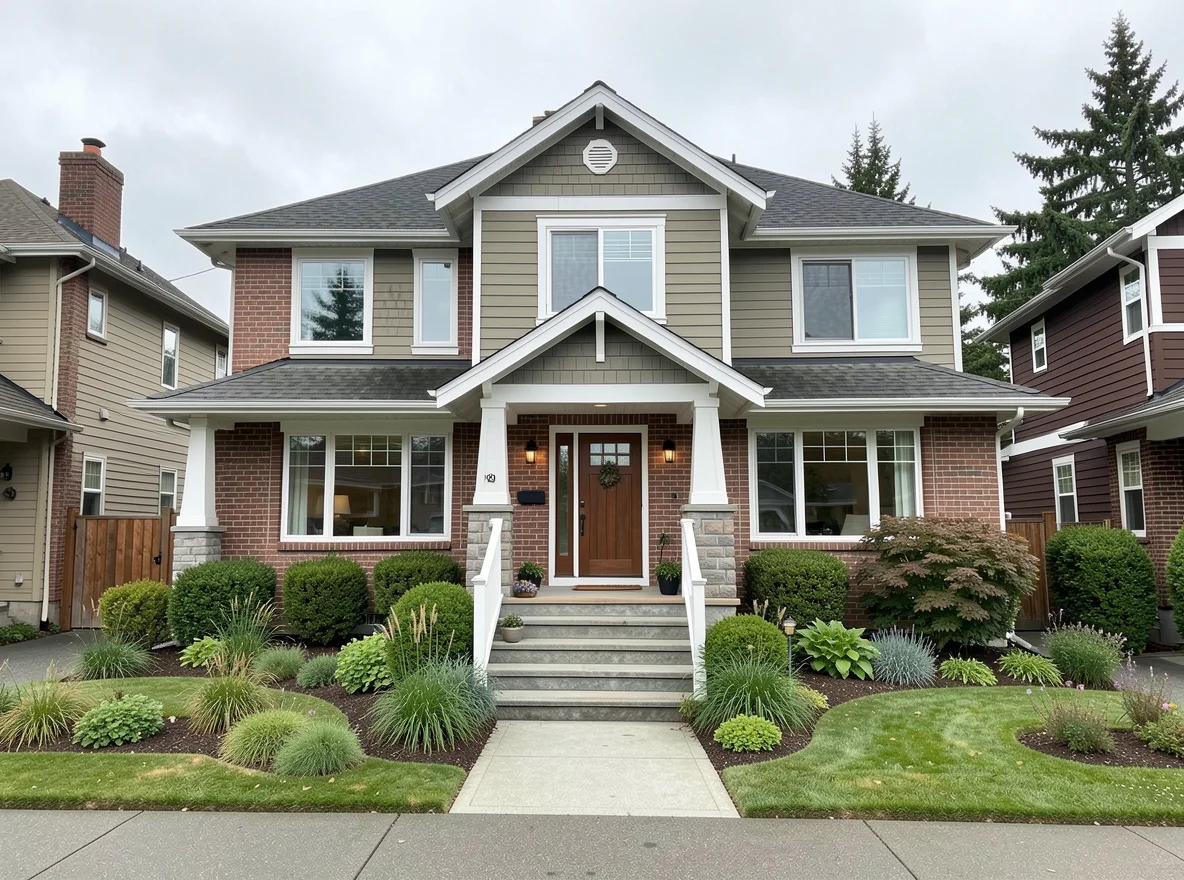
Begin with an honest assessment of the home’s condition. Note visible wear, unresolved maintenance, and spaces that are difficult to photograph or navigate. If you have limited time or a fixed budget, ask your broker to help rank the work by its likely effect on presentation and buyer questions. A clean, functioning home often makes a stronger first impression than a collection of expensive upgrades chosen without a strategy.
Next, work backward from your desired listing date. Allow time to obtain estimates, schedule contractors, complete touch-ups, clean, stage, and photograph the property. Contractor availability and the scope of repairs can change the schedule, so leave room for surprises rather than booking photography immediately after the planned completion of a major project.
Schedule photography after repairs, cleaning, and staging are complete. Listing images often provide a buyer’s first look, so unfinished work can be difficult to hide.
Gather basic property information early, too. A list of improvements, approximate installation dates, warranties, utility details, and relevant permits can help your broker prepare accurate marketing materials and respond to questions. Keep receipts and records together, but avoid guessing when you do not know an answer; your broker can help you determine what needs verification.
Address Repairs Before Adding Upgrades
Buyers notice both the inviting details and the signs that maintenance may be overdue. Start with items that affect function or suggest a larger issue: a dripping faucet, a door that will not latch, damaged caulking, a stained ceiling, or an exterior drainage concern. Investigate the cause of any moisture issue rather than simply covering a stain.
For more substantial concerns, consider whether a qualified inspector or contractor should evaluate the property before you list. A pre-listing inspection can reveal issues and help you plan, but it is not a substitute for understanding your disclosure obligations. Discuss any findings with your broker and, when appropriate, a qualified legal professional.
Mercer Island’s rainy-season conditions make exterior upkeep worth a close look. Clear debris from gutters and walkways, check that drainage is working as intended, and review the condition of decks, siding, and roof areas that can be safely observed. Hire a qualified professional for work that requires access, specialized knowledge, or permits.
Use this practical repair shortlist
- Fix small plumbing, lighting, hardware, and door problems.
- Clean and refresh worn surfaces where a modest update will make a noticeable difference.
- Address known moisture, drainage, or safety concerns with appropriate professionals.
- Save invoices, warranties, and permit records for completed work.
- Ask your broker which larger projects warrant further consideration before committing.
Not every home needs a new kitchen or a full renovation. Compare the cost, timeline, and disruption of a project with the likely benefit, and remember that preferences vary. Sometimes a clear explanation of the home’s condition and a thoughtful asking price are more useful than a rushed remodel.
Stage for Space, Light, and Everyday Function
Staging is less about making a home look unused and more about making its layout easy to understand. Begin by removing excess furniture, clearing counters, and giving each room a clear purpose. A buyer should be able to see how to move through the space and notice the home’s strongest features without competing visual clutter.

Clean windows, open window coverings, and replace burned-out bulbs so rooms are shown in their best available light. In the kitchen and bathrooms, put everyday products away and give fixtures and surfaces a thorough cleaning. Neutral bedding, neatly arranged towels, and a few simple accents can create a polished look without requiring a complete redesign.
Pay attention to the entry and outdoor areas as well. Sweep the path, trim overgrown plants, and arrange a patio or deck so its use is apparent. If the property has a view, check how furniture, window coverings, and landscaping affect it. Do not promise a view will remain unchanged; present what is visible from the home as it is.
Before showings, make a repeatable routine: secure valuables, personal documents, medications, and sensitive information; remove items you do not want photographed; and make a plan for pets. Ask your broker about showing access and feedback so you can adjust presentation if buyers consistently raise the same concerns.
Build a Pricing Strategy From Current Evidence
The right asking price depends on the home and the market at the time you list. Ask for a comparative market analysis that considers recent closed sales, active competition, and pending listings where useful. The most relevant comparisons should account for location, size, condition, layout, lot characteristics, and features such as waterfront access or a view.
Closed sales show what buyers agreed to pay in the past; active listings show what shoppers can consider now. Neither tells the whole story on its own. Review how long comparable properties have been on the market, whether their prices changed, and how your home differs. A nearby sale is not automatically a good comparison if its condition or setting is substantially different.
A waterfront location or lake view can affect a comparison, but the details matter. Ask your broker to distinguish actual shoreline access, view quality, and property condition rather than relying on a single nearby sale.
Discuss a launch price and a review plan before listing. Decide what feedback, showing activity, and competing listings you will monitor, and when you will reassess the strategy. Pricing is not a guarantee of an offer or a particular sale amount; it is a decision that should reflect the best available information and your priorities.
Prepare Documents and Estimate Your Proceeds
Before the listing launches, gather documents that help explain the property. Depending on the home, these may include renovation records, appliance information, survey materials, homeowners association documents, and records for shared access or maintenance arrangements. For waterfront property, ask which shoreline, dock, or permitting records may be relevant. Verify details rather than assuming every feature conveys with the sale.
Washington sellers may have disclosure obligations, subject to applicable rules and exceptions. Ask your broker which forms and timelines apply to your transaction, and answer questions accurately based on your knowledge. If a legal, tax, title, or permit issue is unclear, consult the appropriate professional rather than relying on an informal estimate.
Request an estimated seller net sheet before choosing your price. It can account for the mortgage payoff, agreed brokerage compensation, applicable taxes, escrow and title charges, preparation expenses, and any credits or repairs negotiated with a buyer. Actual proceeds will depend on the contract and final closing figures, so revisit the estimate as details change.
Get Ready for Offers and Closing
Price is important, but an offer has other moving parts. Review financing, contingencies, proposed closing date, earnest money, and any requested concessions with your broker. Consider how each term fits your timing and tolerance for uncertainty. An offer with the highest price is not necessarily the one that best meets your needs.
Once you accept an offer, keep the home accessible for agreed inspections and appraisals, track deadlines, and maintain the property through closing as required by the contract. Plan your move, confirm which items stay, and arrange the transfer or cancellation of utilities for the appropriate date.
Explore the home sellers guide
A thoughtful sale plan does not require every room to be reinvented. It starts with knowing your home, addressing meaningful issues, presenting it clearly, and using current evidence to guide pricing. Northwest Premier Brokers can help you organize the next steps and tailor the checklist to your Mercer Island property.