

A change in Sammamish’s median home price doesn’t tell the whole story. Inventory, recent comparable sales and the pace of pending contracts can reveal whether buyers have more room to choose or sellers face more competition. Here’s how to read those signals before deciding when to make a move.
Start with the homes behind the price
A market headline might report that the median sale price rose or fell, but that number describes the middle sale in a particular period—not the change in value of every home. If more large or recently renovated homes close in one month, the median can rise even when comparable properties are selling for similar amounts. A shift toward smaller homes can have the opposite effect.
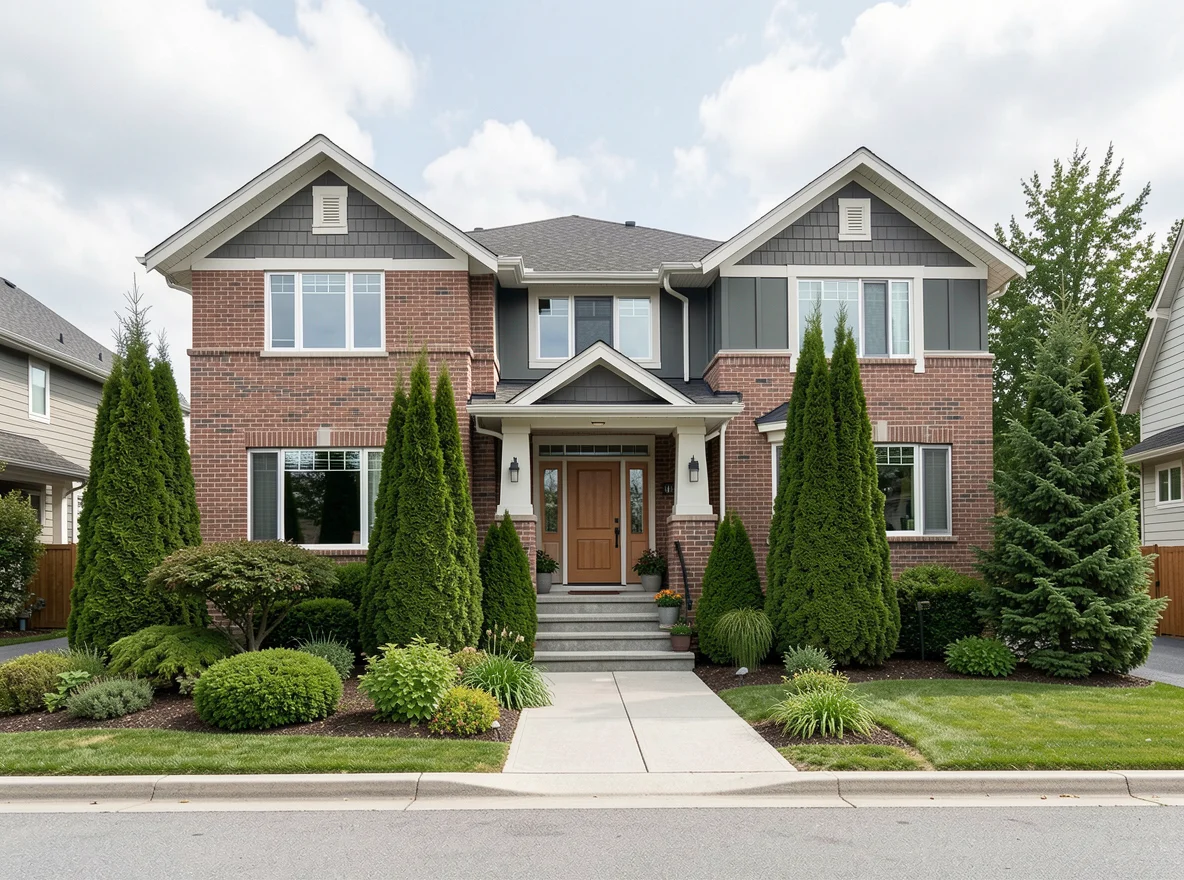
For a more useful view, compare recent closed sales with similar square footage, condition, lot characteristics and location. A home with an updated kitchen and a level yard may attract different offers from a similarly sized property that needs substantial work. Even within the same city, individual features can affect the result.
Look at the time period, too. A single month may include relatively few sales in a specific price range, making the figures more volatile. Comparing several recent months with the same period a year earlier can add context, although neither comparison guarantees what an individual home will sell for today.
A rising median can reflect a different mix of homes sold, not necessarily an equivalent gain in every property’s value. Check comparable closed sales before applying a citywide percentage to one address.
Ask for the original list price, any price changes and the final sale price for each comparable property. Where available, review seller concessions as well: closing-cost assistance or repair credits can affect the practical value of an agreement even when the reported sale price looks strong.
Read inventory alongside buyer activity
Active listings show the homes buyers can currently consider. New listings show what is coming onto the market, while pending sales offer a more immediate view of homes moving toward closing. Looking at all three together is more revealing than counting active listings alone.
For example, a rise in active listings may give buyers more options. But if new listings are also going pending quickly, appealing homes may still draw prompt interest. Conversely, a growing selection combined with longer marketing times and more price reductions can indicate that sellers are competing harder for attention. The picture can differ by property type and price bracket.
Months of supply is another useful measure. Generally, it compares active inventory with the recent pace of sales to estimate how long the current supply would last if no additional homes came to market. Calculations can vary by source, so use the same source and methodology when comparing periods. It is an indicator, not a prediction of what will happen next.
Days on market can help show how quickly homes are attracting offers, but interpret it carefully. A listing may have changed price, gone under contract and returned to the market, or been relisted. Ask how the reported figure was calculated and review the listing history before drawing a conclusion.
What buyers can watch before making an offer
Begin by defining the homes you would realistically consider, then track their asking prices, changes in status and time on the market. Watching comparable listings over several weeks can help you distinguish an attractive asking price from one that may leave room for negotiation. Active listings show the competition; closed sales help establish what buyers have actually paid.

Keep financing in the picture. A change in mortgage rates can alter the monthly payment on the same purchase price, while property taxes, insurance, maintenance and any association dues contribute to the ongoing cost. Ask a lender for updated payment scenarios at different prices and rates rather than relying only on a maximum preapproval amount.
When a property stands out, compare it with recent sales and consider its condition, inspection needs and your own budget. The strength of an offer is more than its price: financing, contingencies, closing date and other terms can matter to both parties. Review those choices with your broker and lender, and understand the risks before changing or waiving a protection.
A listing that has been available longer may create an opportunity to ask questions or negotiate, but its history and the seller’s circumstances matter more than the day count alone.
Timing also depends on your readiness. If the right property appears while selection is limited, a clear budget and current financing information can help you respond thoughtfully. If the available options do not meet your needs, tracking the market can help you recognize a better fit without assuming that waiting will produce a particular price.
How sellers can position a home
Before choosing an asking price, review both recent closed sales and current competing listings. Closed sales provide evidence of completed transactions; active listings show what buyers will compare with your home today. Pending listings can signal demand, though their final terms generally are not available until closing.
Condition and presentation are part of that comparison. Addressing obvious maintenance issues, preparing rooms for photography and making the property easy to show can help buyers understand what is on offer. Not every improvement will pay for itself, so discuss the likely cost and benefit of repairs or updates before committing to a project.
If similar homes are taking longer to sell or reducing their prices, a seller may need to be especially attentive to initial pricing and buyer feedback. If comparable homes are moving quickly, it is still important to support the asking price with evidence rather than assume every listing will receive the same response. Set a review plan with your broker before going live, including when to reassess showings, feedback and competing inventory.
Offers should be evaluated as complete packages. A higher price may come with different financing, inspection or timing considerations than another offer. Your broker can help you compare the terms and plan for the possibility that a transaction does not proceed to closing.
Make the next decision with current information
Market conditions change, and a snapshot can become dated quickly. For the latest picture, request a current Sammamish market report and a tailored comparison from a local broker. Ask which dates, property types and geographic boundaries the report covers, and whether its figures come from Northwest Multiple Listing Service data or another source. Consistent definitions make trends easier to evaluate.
There is no single number that identifies the right time for everyone to buy or sell. The more useful approach is to connect current inventory and comparable sales with your finances, desired timeline and the details of the property itself. Northwest Premier Brokers can help you put those pieces together and assess your options with a clearer view of the market.