
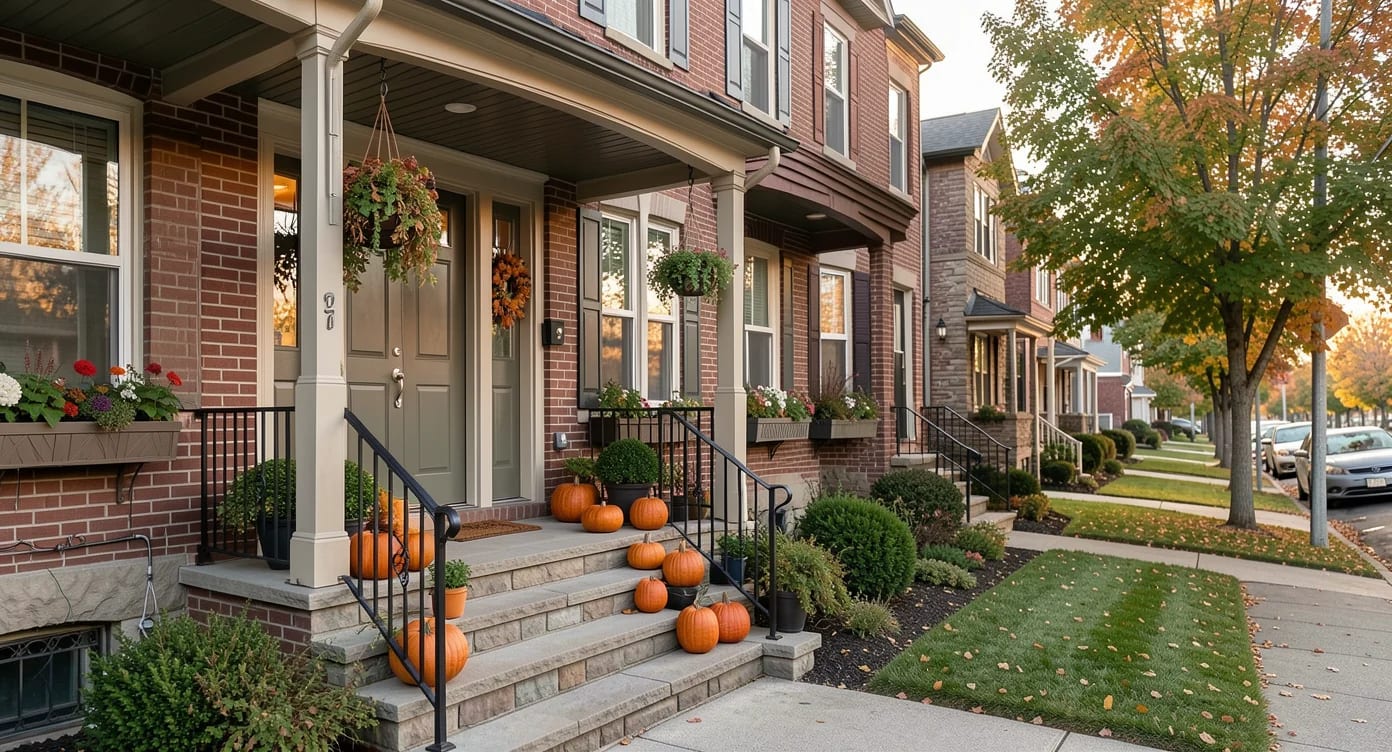
A thoughtful inspection plan can help you understand a Bothell home’s condition before you commit to the purchase. Know what to look for, how to arrange inspections around your offer, and which deadlines could affect your options.
Start Your Inspection Plan Before You Make an Offer
A home may look inviting on the first tour, but its roof, drainage, electrical system, and crawl space deserve attention too. Planning ahead gives you time to ask useful questions and decide how the property’s condition fits your budget—not just its asking price.
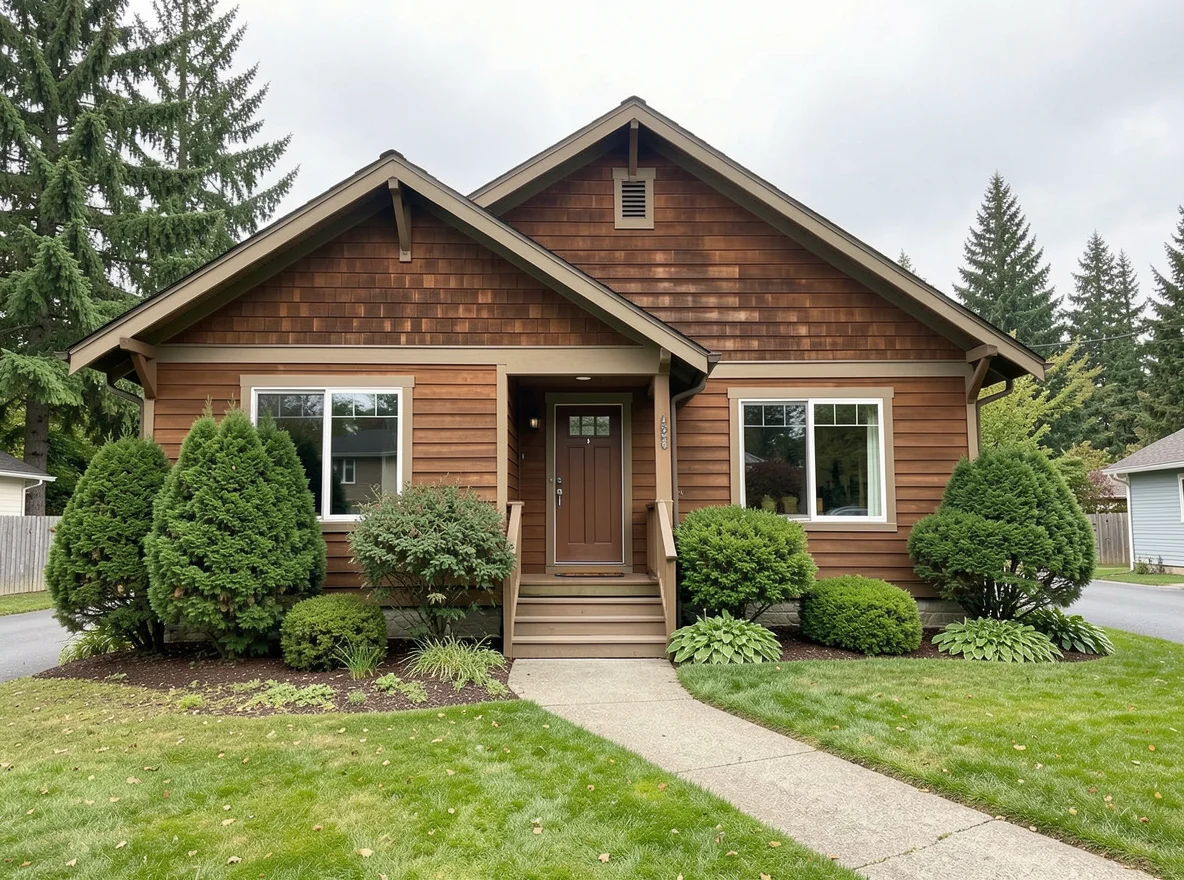
Before writing an offer, ask your broker what information is available about the home. Seller disclosures, prior inspection reports, receipts for major work, and permits can provide helpful context. Read them carefully, but remember that an older report describes conditions at an earlier date and may not answer every question you have today.
If the seller permits it and the schedule allows, you may be able to arrange a pre-offer inspection. Ask what access is available and whether there is enough time for the inspector to examine the property thoroughly. A pre-offer inspection can inform your terms, but it is not a guarantee that every defect will be found.
A pre-offer inspection and an inspection contingency serve different purposes: one provides information before you offer; the other sets out contractual options after mutual acceptance.
When a pre-offer inspection is not practical, discuss an inspection contingency before submitting your offer. The exact form and negotiated language matter. Review what it allows you to inspect, when notice must be delivered, and what choices you have if the findings change your view of the purchase.
Pay Attention to Moisture and Drainage
Bothell’s wet-season weather makes water management a useful part of any inspection conversation. Your inspector can look for visible signs of moisture intrusion and assess accessible components, but hidden conditions may require additional evaluation.
Walk around the exterior with the inspector when possible. Ask about roof condition, gutters, downspouts, siding, flashing, and how the ground slopes near the foundation. Indoors, note staining, musty odors, and visible changes around windows or ceilings. These observations do not automatically mean a major problem, but they are reasons to ask what might be causing them.
In a home with a crawl space or basement, find out whether the inspector could access it and what was observed. Ventilation, standing water, insulation, and signs of prior repairs may warrant closer attention. If an area was inaccessible, ask how that limitation affects the report and whether another visit or specialist is appropriate.
Also consider features specific to the property. Retaining walls, decks, mature trees, and drainage improvements can add questions to your checklist. Rather than relying on a visual impression from the tour, use the inspection to understand what is visible, what remains uncertain, and what maintenance may be needed.
Know What a General Inspection Covers
A general home inspection is typically a visual assessment of accessible systems and components. Ask a Washington-licensed home inspector about the scope of service, the expected report delivery time, and any limitations before scheduling.
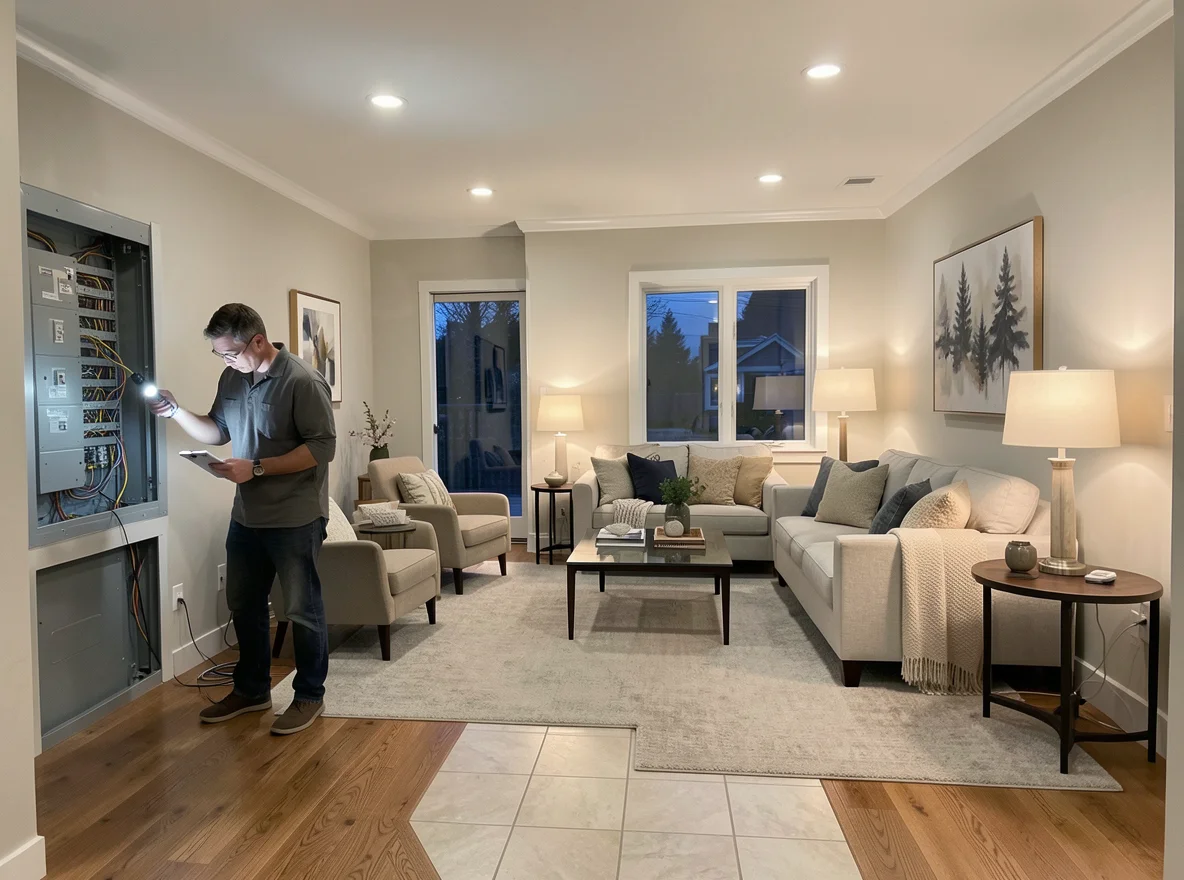
Depending on the home and the inspector’s scope, the review may include the roof, structure, plumbing, electrical system, heating and cooling equipment, and visible interior and exterior components. Ask which systems were operated, which areas were inaccessible, and whether any findings call for a qualified contractor or specialist.
Some questions may require a separate inspection. A sewer scope, for example, can help evaluate the condition of the sewer line; a general inspection alone may not provide that view. Other property-specific concerns could call for a roofer, electrician, structural engineer, or another qualified professional. Arrange any additional work within the contract’s permitted timeframe, and obtain the necessary authorization for access or invasive testing.
When you receive the report, focus first on safety concerns, active leaks, major system issues, and recommendations for further evaluation. Routine wear and small maintenance items matter too, but separating them from potentially costly issues will make the next conversation more productive.
Connect the Findings to Your Offer and Financing
An inspection contingency may provide a path to request repairs, negotiate another agreed-upon solution, proceed as written, or terminate, depending on the contract terms and timely notice. None of those outcomes should be assumed: review the specific agreement with your broker, and consult an attorney when you need legal advice.
Use estimates where practical. If a report identifies a roof concern, for instance, ask whether a qualified roofer can evaluate it and provide a repair or replacement estimate before your deadline. Sellers are not automatically required to agree to a request, so consider which issues matter most and what alternatives you could accept.
Put every inspection deadline on your calendar as soon as the agreement is accepted, including time to schedule specialists, review their findings, and deliver any required notice.
Your lender’s appraisal is separate from a home inspection. An appraisal generally addresses the property’s value for financing purposes; it is not a substitute for a detailed assessment of condition. Some financing programs may also have property-condition requirements, so share significant findings with your lender and ask how they could affect approval, closing, or planned repairs.
Keep your budget in view beyond the down payment. Inspection fees, specialist evaluations, closing costs, insurance, and future maintenance can all affect what feels manageable. Ask your lender for an updated estimate when your financing or negotiated terms change.
Make a Clear Decision Before the Deadline
Once the reports are in, make a short list: issues to investigate further, items to negotiate, and maintenance you are comfortable taking on. Compare that list with the purchase price, your available funds, and the time you have left under the agreement. If you need more time, discuss whether to request an extension; it generally requires agreement rather than a simple assumption that the deadline has moved.
Whether you are considering an older property or a newer home, a careful inspection plan helps turn questions into useful information. Northwest Premier Brokers can help you coordinate the offer process, understand the relevant timelines, and approach your Bothell purchase with a clearer picture of the property.