

A Tacoma market headline can tell you where the median price moved, but it cannot tell you what a particular home is worth or how quickly it might sell. A closer look at comparable sales, competing listings, and time on the market can help buyers and sellers make a more useful timing decision.
Start with the right price comparison
One month’s median sale price is a starting point, not a verdict on every Tacoma property. The median is the middle price among homes that sold during a given period, so it can move when the mix of properties changes. If more higher-priced homes close in one month, for example, the median may rise even if an individual home has not gained value at the same rate. Look at several months of data and compare the same property type and geographic area before drawing conclusions.
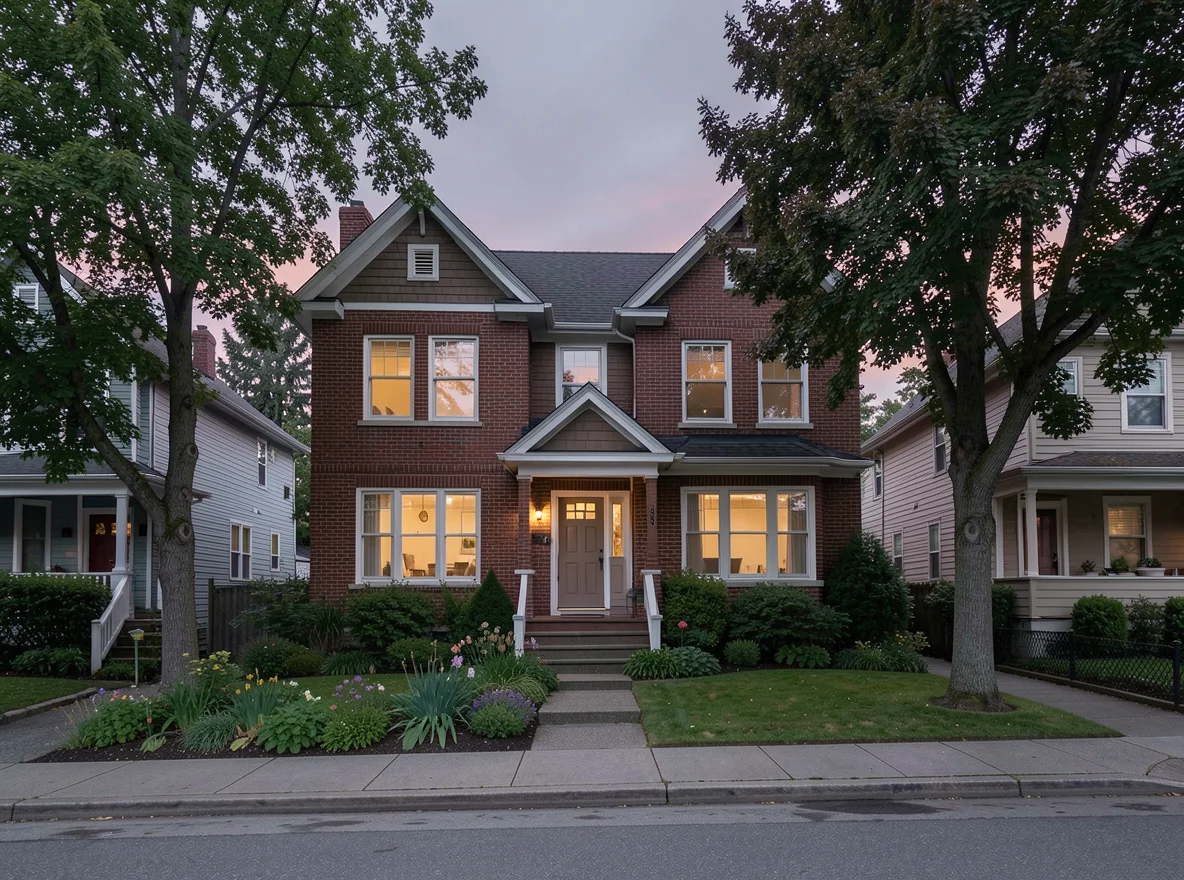
For a more practical view, examine recently closed sales that resemble the home in size, condition, age, and location. A renovated house near the waterfront may not be a useful comparison for a property needing significant work elsewhere in the city. Lot features, parking, views, and major updates can also affect what buyers are willing to pay. A local broker can help identify which differences matter and how much weight to give each sale.
Active listings provide a different perspective: they show what buyers can consider now, not necessarily what those homes will ultimately sell for. Pending listings can offer clues about current demand, although their final prices and terms may not yet be public. Use closed sales to assess demonstrated prices and active listings to understand the competition at this moment.
A rising median does not automatically mean every Tacoma home gained value. Check whether the homes selling this month resemble the ones that sold in the period you are comparing.
Keep the dates in view, too. A closed transaction reflects an agreement reached earlier, while a newly listed property reflects a seller’s current asking price. When conditions are shifting, reviewing both can reveal a gap between where sellers hope to price and where buyers have recently agreed to purchase.
Watch inventory alongside demand
Inventory is more than the number of homes visible in a search. New listings, pending sales, and the number of active properties together show whether buyers are gaining choices or whether available homes are being absorbed quickly. Ask for figures specific to Tacoma and, where possible, the price range and property type you are considering. Citywide totals may conceal very different conditions for a condominium, a detached home, or a waterfront property.
One useful measure is months of supply: the approximate time it would take to sell the current inventory at the recent pace of sales, assuming no additional homes were listed. A rising figure can suggest that choices are accumulating relative to sales; a falling figure can suggest that available homes are being absorbed more quickly. Neither direction guarantees what will happen next, and small groups of sales can make the measure jump from month to month.
Look beyond the total count. Are new listings appearing steadily? Are comparable homes moving to pending status soon after listing, or remaining available? Are sellers adjusting asking prices? These observations can help distinguish a market with genuinely more options from one where the same listings are simply staying visible longer.
As you browse, save a manageable group of comparable properties and revisit them regularly. Note the list date, asking price, any reductions, and when the listing changes status. The exercise will not replace a professional market analysis, but it can make a broad inventory report more tangible and help you recognize how quickly choices in your budget change.
Read time on market and price changes together
Days on market can help show how long listed homes take to find buyers, but the number needs context. A property may remain available because of its price, condition, presentation, financing limitations, or features that appeal to a narrower group of buyers. Some listings may also be withdrawn and relisted, so ask how the reported figure is calculated and review the property’s listing history when available.
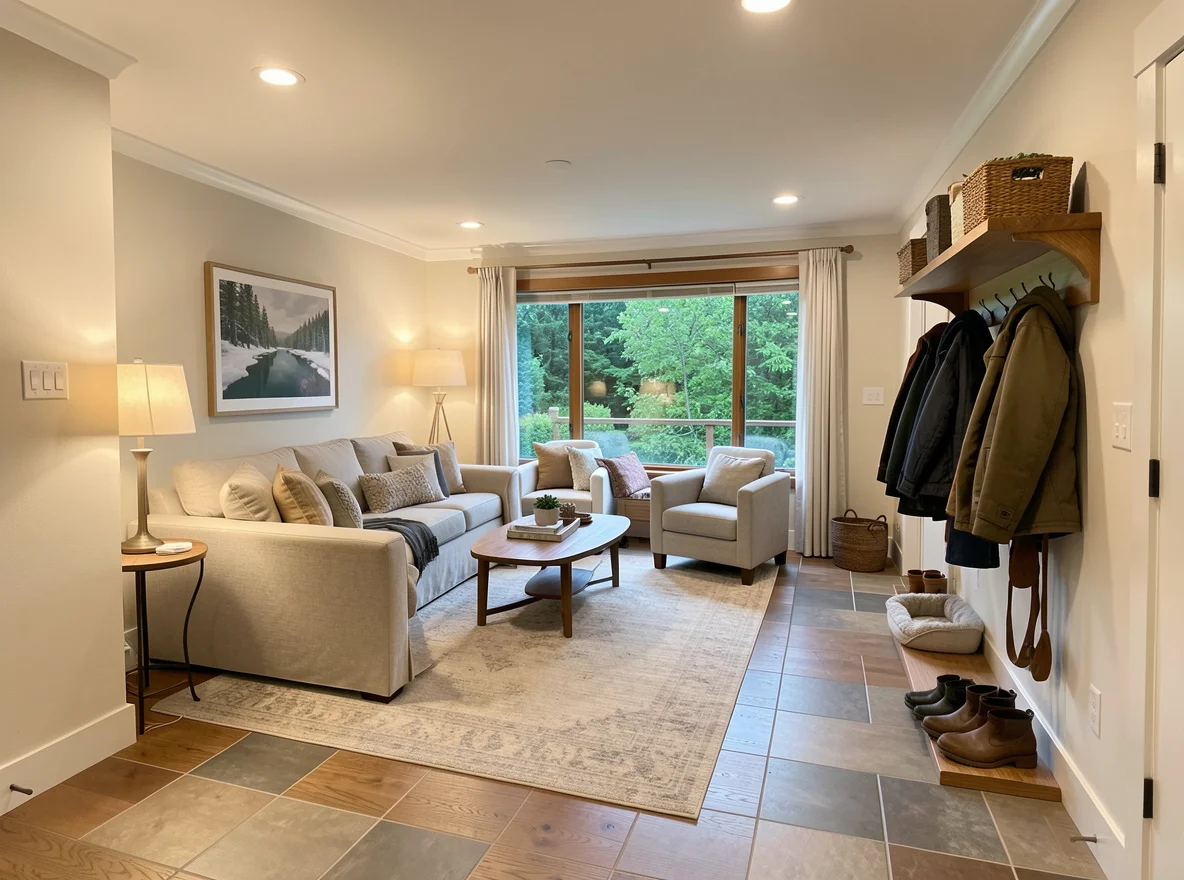
For buyers, a longer marketing period may create an opportunity to ask questions about price or terms. It does not automatically mean a seller will accept a lower offer. Review comparable sales and any available disclosures, and consider what inspections, repairs, and financing would mean for the total cost. A recently listed home can still be overpriced, while an older listing may already reflect a meaningful adjustment.
For sellers, early feedback is useful when it is compared with actual competing listings. If similar homes are attracting offers while yours is not, consider whether the asking price, condition, access for showings, or presentation needs attention. A price change is one option, but it should be weighed against the feedback and the market rather than treated as an automatic response to a particular number of days.
A price reduction and a longer listing period tell you to investigate further—not that a home is necessarily a bargain or that a seller must accept less.
Sale price is only part of the outcome. Closing-cost contributions, repair agreements, financing contingencies, and the proposed closing date can all matter to the parties involved. When comparing transactions, ask what information is available about concessions and terms; a headline sale price may not capture the full agreement.
Choose a timing strategy that fits your decision
There is no reliable signal that identifies the perfect week to buy or sell. Instead, match your plans to the information you can observe and the costs you can control. Buyers can review their financing, expected monthly payment, cash needed at closing, and tolerance for repairs before deciding how quickly to act. Interest rates and insurance costs can affect affordability even when a home’s asking price stays the same, so request updated estimates rather than relying on an old calculation.
For buyers: prepare for more than the offer price
Define the features and locations that matter most, then compare available homes against recent sales. If inventory expands in your price range, you may have more opportunities to weigh options. If comparable homes are going pending quickly, preparation can help you respond without rushing past due diligence. Discuss inspection, financing, and other contingencies with your broker and lender before making an offer.
For sellers: plan around the competition
Review likely net proceeds, potential preparation costs, and the timing of your next move. Before setting a list price, compare your home with both recent sales and properties currently competing for buyers’ attention. A pricing plan should include how you will evaluate showing activity, feedback, and offers after launch, as well as what adjustments you might consider if the response differs from expectations.
Keep the local picture in focus
Tacoma offers a range of settings, from areas near Commencement Bay and Point Defiance Park to streets closer to the Tacoma Dome and other city destinations. Those differences can shape a home search, but they also make broad averages less precise. When comparing properties, consider the particular amenities, commute routes, and features that matter to you alongside the price and condition of each home.
Market data is most useful when it is current, consistent, and tied to your actual decision. Ask Northwest Premier Brokers for a review of recent comparable sales and competing listings, then revisit the numbers as your plans develop. Whether you are preparing to list or beginning a search, a clear view of the options can be more valuable than trying to predict the market’s next turn.