

A single headline about Redmond home prices rarely tells the whole story. Tracking comparable sales alongside active listings, time on market, and price changes can reveal how much competition buyers and sellers face in a particular segment. Here’s how to turn those signals into a more informed plan.
Start With the Right Redmond Market Snapshot
Real estate conditions can look different from one price range or property type to another. A citywide median may move while the homes you are watching behave quite differently. Before deciding whether to make an offer or prepare a listing, look at recent information for Redmond, Washington, and narrow it to properties that resemble the one you want to buy or sell.
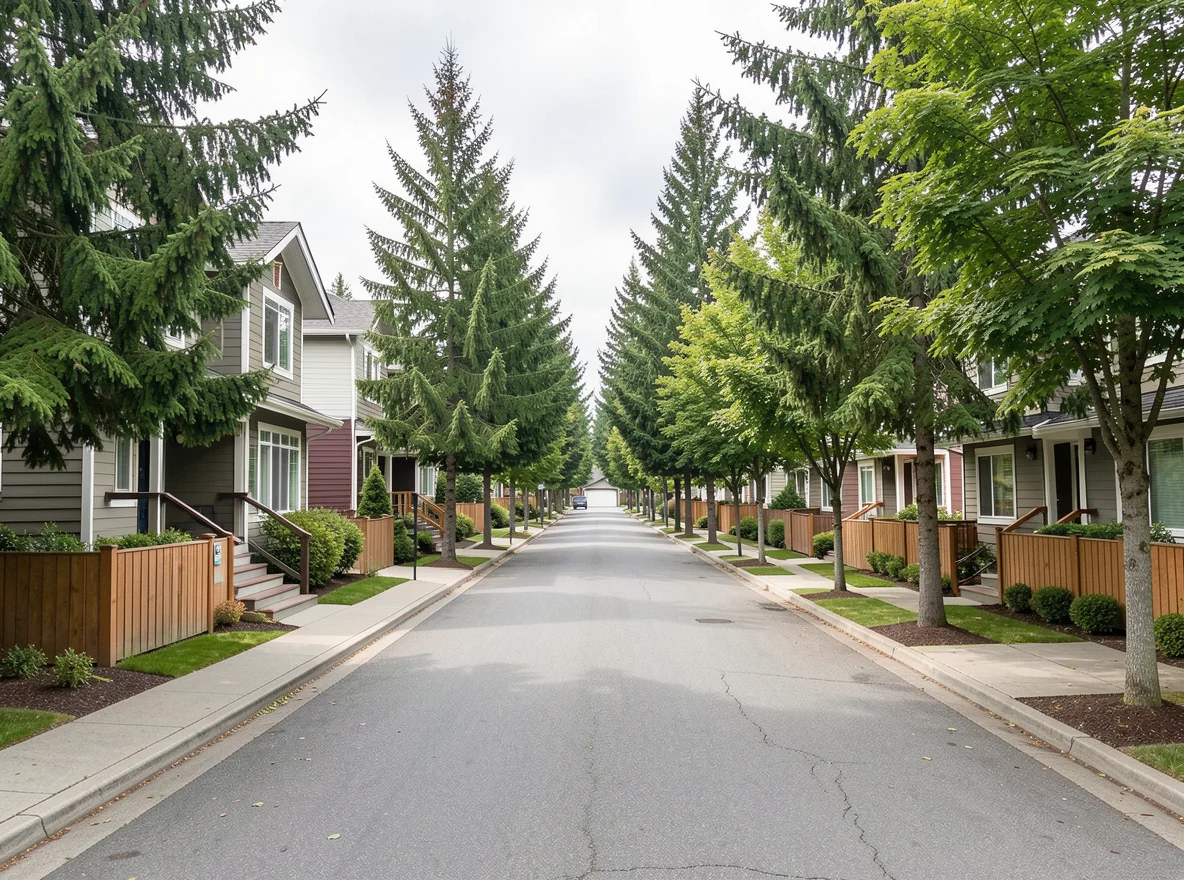
Begin with three views: what is available now, what has gone under contract, and what has closed. Active listings show your current choices or competition. Pending sales offer a more timely signal of buyer activity, although their final sale prices generally are not available until closing. Closed sales show what buyers and sellers agreed to, but those agreements may have been reached weeks earlier.
Ask a broker for a report using consistent boundaries, dates, and property types. Compare the latest month with the prior month and the same month a year earlier, and check the number of sales behind each figure. A small sample can make a percentage change look more dramatic than the underlying market warrants.
A median price can rise simply because more higher-priced homes sold. Check the mix of properties before treating a monthly change as a change in every home’s value.
Useful sources include local multiple listing service reports and county records, interpreted with help from a real estate professional. Confirm when the data was published and whether it covers the city, a ZIP code, or a larger service area. This article does not cite a current price or inventory figure; request an up-to-date snapshot before making a decision.
Read Price Movement Beyond the Median
The median is the midpoint of recorded sale prices, not an appraisal of a particular property. To understand a home’s likely position, compare recent closed sales with similar size, age, condition, location, and features. A renovated home and one needing substantial work may belong to the same broad price bracket but attract different offers.
Pay attention to the relationship between the final sale price and the original asking price. A home that closes near its latest list price may still have experienced an earlier reduction. Likewise, a sale above asking price does not automatically mean it was priced above comparable properties; the original asking price is part of the strategy.
Seller concessions can also affect the interpretation. If available, ask whether a seller contributed to closing costs or agreed to repairs. The recorded sale price alone may not show every negotiated term, so a thoughtful comparison considers both the number and the circumstances behind it.
For condos and townhomes, include association dues, assessments, rental restrictions, and shared amenities in your review. These details affect ownership costs and may influence how buyers compare otherwise similar listings. The right comparison is not just a similar-looking home; it is a property with a comparable overall cost and condition.
Watch Supply and the Pace of Sales
Inventory is more than the number of homes visible in a search. Look at active listings in your specific price range, then compare them with new listings, pending sales, and recently closed transactions. An increase in options can give buyers more to consider, while a smaller selection may make well-priced homes more competitive.
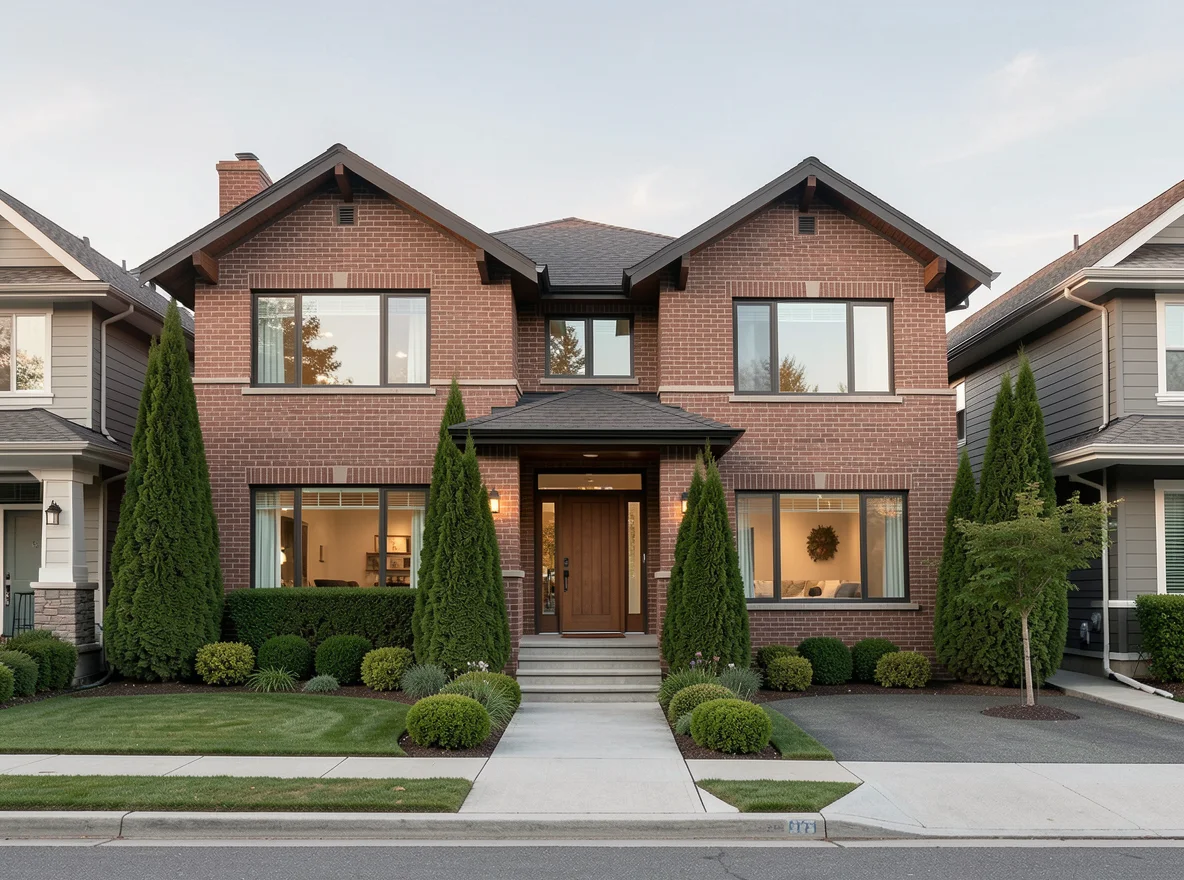
Months of supply is one way to connect inventory with sales pace. It estimates how long the current supply would last at a given rate of sales if no new listings came to market. Its value depends on how the report calculates the sales rate, so compare figures from the same source and methodology rather than mixing reports.
Days on market adds another layer. A low figure for comparable homes may signal that buyers are acting quickly; a longer stretch may indicate more room to evaluate options. But individual listings can stay active for many reasons, including condition, access for showings, or an initial price that buyers did not accept. Some reporting systems also treat relisted properties differently.
Compare active listings with pending and closed homes in the same price range. A citywide inventory increase may not translate into more choices for the property type you want.
Track price reductions as well as new listings. A reduction can be an opportunity to revisit a home, but it is not proof that the final price will fall further. Review the property’s condition and comparable sales before drawing a conclusion.
Turn the Numbers Into a Buyer’s Plan
Start with a budget that includes more than the purchase price. Financing terms, property taxes, insurance, association dues where applicable, and anticipated maintenance all affect the cost of ownership. Ask your lender for an updated estimate and discuss how a change in interest rates could affect your monthly payment.
As you tour, keep a short list of comparable properties and record their asking prices, condition, and time on market. When one goes pending or closes, revisit your notes. Over time, this exercise can help you distinguish an attractive asking price from a home that only looks appealing next to a limited set of alternatives.
If competition is strong for a particular home, decide in advance which terms you can comfortably offer. Price matters, but so do financing, inspection, closing timing, and other contingencies. Discuss the risks of changing or waiving protections with your broker and appropriate professional advisers rather than assuming every competitive offer needs the same terms.
Build a Seller’s Pricing and Timing Strategy
For sellers, active listings show what buyers can choose today; closed sales help establish what comparable buyers have recently paid. Review both with your broker, including homes that did not sell or reduced their prices. Those examples can be as informative as a quick sale when deciding how to position your property.
Preparation should follow the evidence. Consider repairs, presentation, and disclosures in light of your home’s condition and competing listings. Request estimates before committing to major improvements, and avoid assuming that every project will return its full cost at sale. A pricing plan can also include a date to review showing activity and feedback if the response is slower than expected.
Choose Your Moment With Better Context
Seasonal patterns, borrowing costs, and the arrival of new listings can all influence a decision, but no single indicator identifies the perfect day to act. Buyers should weigh available homes against their finances and timeline. Sellers should consider preparation, current competition, and their next move alongside recent comparable sales.
A focused review of Redmond’s latest data is more useful than an old headline or a broad regional average. Northwest Premier Brokers can help you examine current listings and comparable sales, interpret the details, and develop a plan for your particular purchase or sale.