

A successful Issaquah listing starts before the photographer arrives. Compare the right local homes, tackle the repairs buyers are likely to notice, and stage each room to show how the space works. A thoughtful plan can help you enter the market with a clearer price and fewer last-minute decisions.
Start With a Local Pricing Plan
Setting an asking price is more than choosing a number that covers your next move. It is a way of positioning your home against the properties buyers can see right now. Before settling on a price, ask your broker to prepare a comparative market analysis using recent sales and current competition in Issaquah.
Look beyond the headline sale prices. A useful comparison considers location, square footage, layout, condition, lot characteristics, and recent updates. If a nearby home has a renovated kitchen or a substantially different lot, its sale price may need adjustment before it becomes a meaningful reference point. Properties that sold several months ago can offer context, but they may not reflect today’s choices or financing conditions.
Active listings show what buyers can compare with your home; closed sales show what buyers and sellers agreed to in completed transactions. Pending listings can also offer clues about current demand, although their final sale prices may not yet be public. Ask how long comparable properties have been on the market and whether they changed their asking prices.
A nearby home’s asking price is not the same as its sale price. Review active competition and recent closed sales together before choosing your list price.
Discuss a price range rather than relying on a single online estimate. Your broker can explain how the home’s condition and features fit within that range, then help you consider your timing and financial goals. Overpricing can limit early interest, while pricing too low without a deliberate strategy may leave you uncomfortable with the result. The right approach depends on the evidence available when you list.
Choose Repairs That Support a Strong First Impression
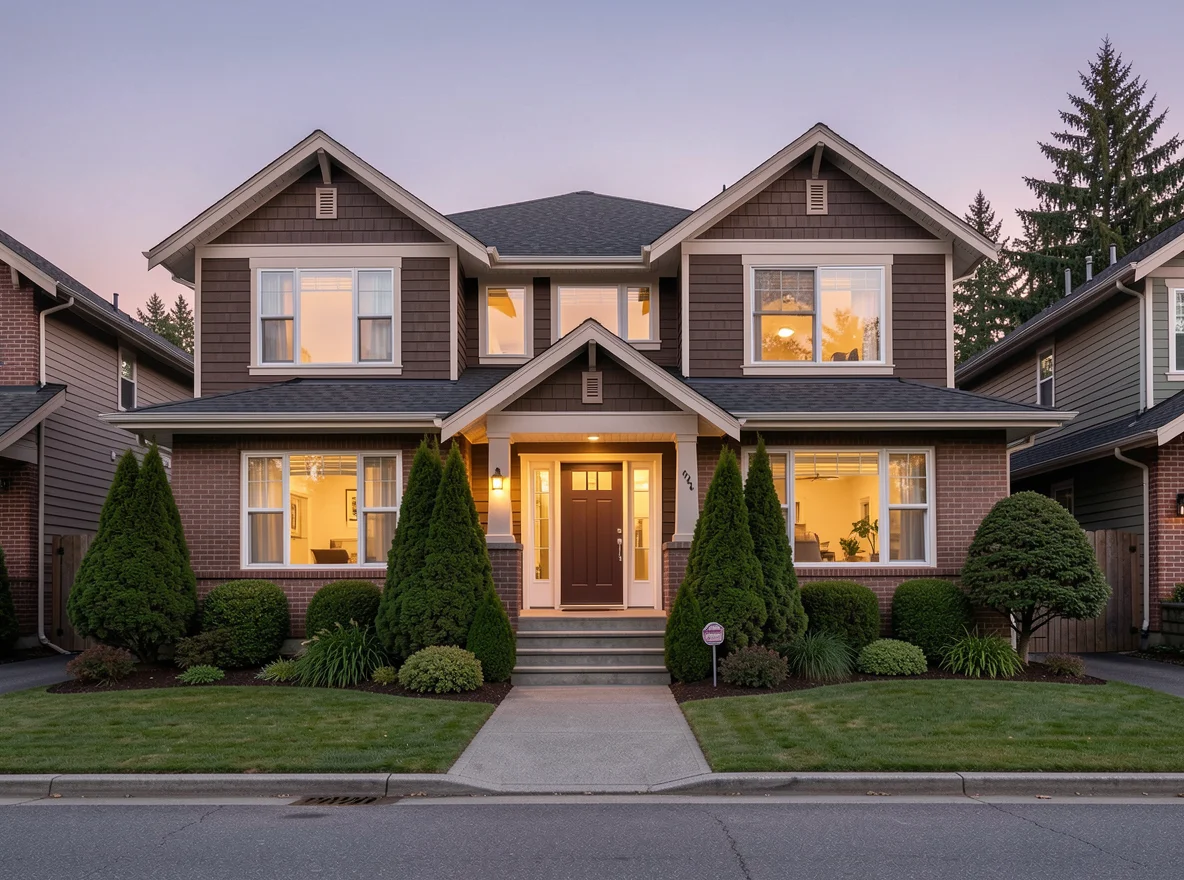
Walk through your property as if you are seeing it for the first time. Start at the curb, follow the route to the front door, and note anything that feels unfinished, worn, or difficult to use. A clean entry, working exterior lights, trimmed landscaping, and a door that opens smoothly can make the arrival feel cared for without requiring a major renovation.
Inside, prioritize obvious maintenance: dripping faucets, loose handles, damaged caulking, burned-out bulbs, and doors or windows that do not operate as expected. Clean gutters and check for visible signs of moisture around windows, bathrooms, and other areas where water can collect. If you notice a potential issue, consider having an appropriate professional investigate rather than covering it up.
Not every improvement needs to be completed before listing. Get estimates for larger projects and compare their cost, disruption, and likely impact with your broker. Depending on the property and current competition, it may make more sense to price with an older feature in mind than to undertake an expensive remodel immediately before selling. Keep invoices, warranties, and permits for completed work organized so you can answer questions accurately.
A pre-listing inspection can help identify concerns early, but it is a decision to make in light of your home and budget. Ask your broker about the benefits, costs, and disclosure implications. Washington sellers should discuss applicable disclosure requirements and any exceptions with their broker or a qualified real estate attorney; an inspection is not a substitute for providing required information.
Stage for Space, Light, and Everyday Function
Staging does not have to mean replacing everything you own. Begin by removing excess furniture and clearing surfaces so buyers can understand the size and purpose of each room. Leave enough pieces to show how the space functions, and make sure doors, closets, and walkways are easy to access.
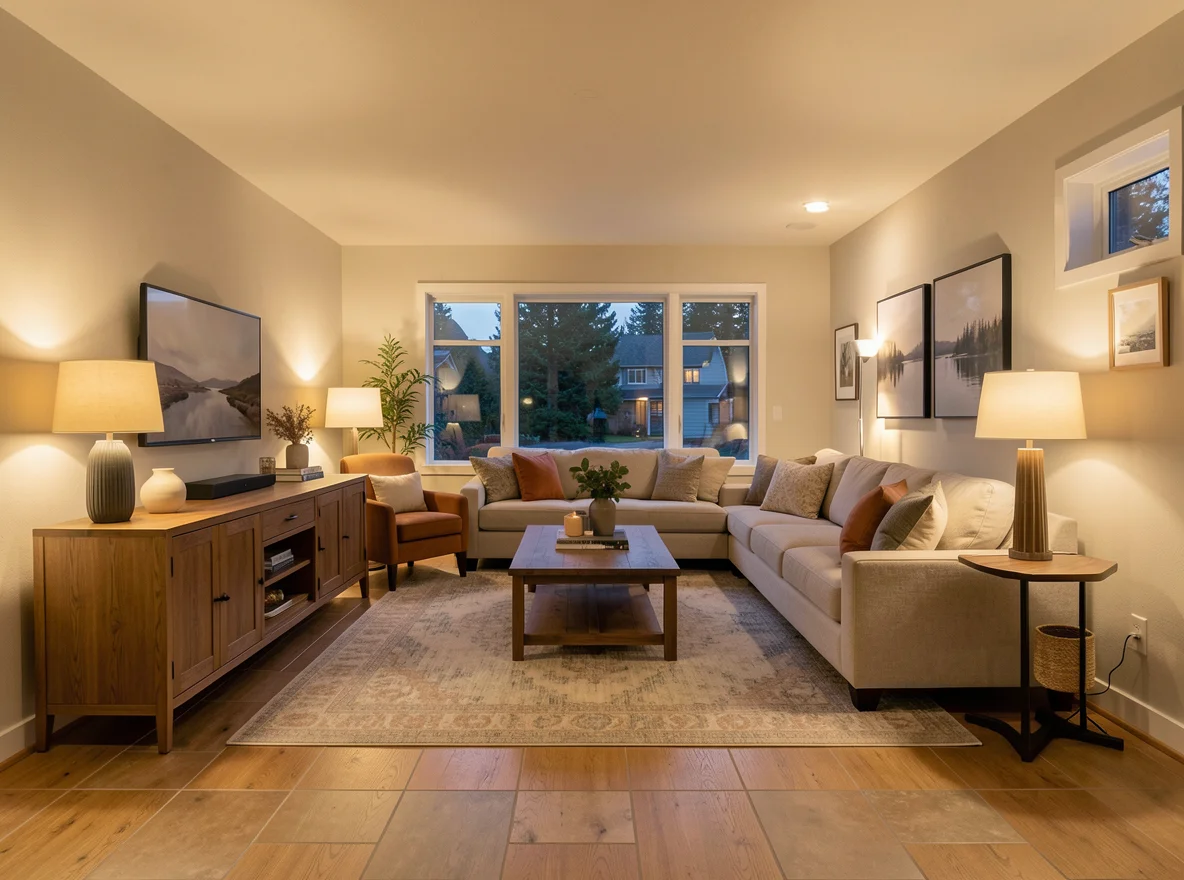
In the kitchen, put away countertop appliances you do not need and give cabinets, fixtures, and backsplashes a thorough cleaning. In living areas, arrange seating to show the room’s natural circulation and any attractive features, such as a fireplace or view. In bedrooms, simple bedding and open floor space can make photographs easier to read. A spare room might be presented as a flexible workspace or guest room without suggesting that only one use is possible.
Stage the rooms buyers will see first online: the main living area, kitchen, primary bedroom, and the home’s most distinctive spaces.
Open window coverings where appropriate, clean the glass, and replace mismatched or nonworking bulbs. Natural light can change throughout the day, so discuss photography timing with your broker. If a professional stager is outside your budget, a consultation or a focused refresh of the most visible rooms may still help you prioritize.
Prepare the Listing Before It Goes Live
Gather the practical details buyers are likely to request: the age of major systems if known, records of improvements, utility information, and any applicable homeowners association documents. Confirm property details with your broker instead of guessing about square footage, boundaries, or the scope of permitted work. Accurate information helps the listing tell a clear story and reduces avoidable confusion later.
Plan photographs after cleaning, repairs, and staging are complete. Remove vehicles, bins, personal paperwork, medications, and valuables from view, and make a plan for pets during photography and showings. Your broker can help decide whether additional tools, such as a floor plan or video, would be useful for presenting the property. Listing descriptions should focus on verifiable features and nearby amenities rather than making promises about who the home suits.
Set a showing routine that you can maintain: a quick daily reset, a place for personal items, and a way to leave the home accessible at agreed-upon times. Discuss how much notice you need and how feedback will be collected. A listing that is easy to view gives interested buyers more opportunities to experience the property beyond its photographs.
Explore the home sellers guide
Review the Response and Adjust With Intention
Once your home is listed, look at the whole picture with your broker. Showing activity, buyer comments, competing listings, and changes in local conditions can help you evaluate whether the presentation and price are working together. Feedback is useful, but one comment alone should not dictate a major decision. Agree in advance on when you will review the response and what information would prompt a change.
When an offer arrives, consider more than the headline price. Financing, contingencies, proposed timelines, requested concessions, and the buyer’s ability to complete the purchase can all affect the outcome. Ask for a clear breakdown of estimated proceeds and compare each offer against your priorities before responding.
Preparing to sell an Issaquah home is a series of manageable decisions, not a race to make every surface new. With a grounded pricing analysis, a focused preparation list, and a plan for evaluating buyer interest, you can bring your property to market with confidence and make informed choices at each step.