

Seattle offers a daily rhythm shaped by water, evergreen landscapes, neighborhood gathering places, and a growing network of transit options. Whether you are comparing a compact condo near rail service, a house with outdoor space, or a waterfront-oriented address, understanding how each area connects to the rest of the city can make the search more focused and rewarding.
A City Connected by Water, Rail, Roads, and Trails
Moving to Seattle means learning a city with distinct geography. Puget Sound sits to the west, Lake Washington frames the east, and hills, bridges, parks, and waterways influence how people get around. The payoff is a setting with memorable views and many ways to move through the region, but it also makes location-specific planning especially useful when comparing homes.
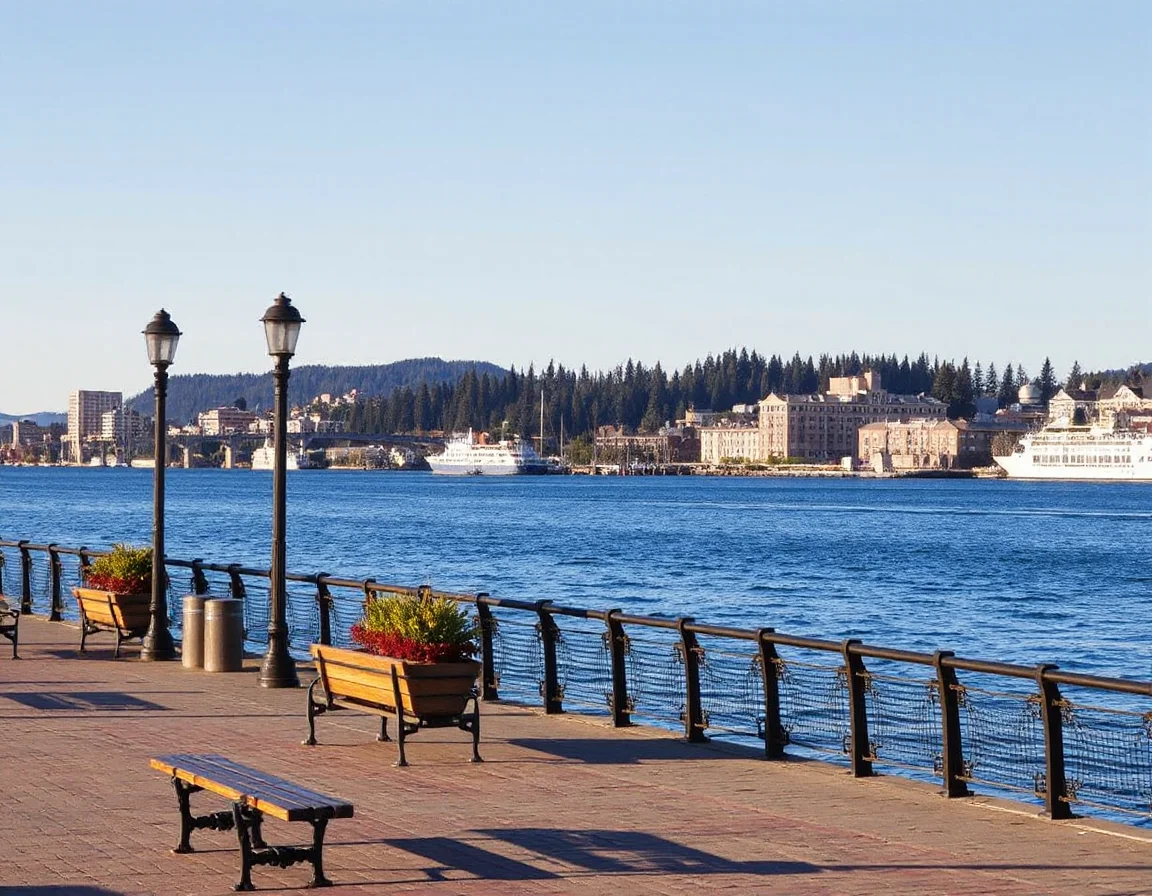
For transit riders, Link light rail is an important part of the regional picture, connecting several Seattle neighborhoods with destinations north and south of the city. King County Metro buses, Sound Transit service, commuter rail options, ferries, and streetcar routes add further choices depending on the address. Transit access is not identical from block to block, so it is worth checking a prospective home's walk route to a station or stop, service schedules, and the transfers needed for regular destinations.
Driving remains part of daily life for many households, particularly when trips cross Lake Washington, reach employment centers on the Eastside, or head beyond the city. Major corridors such as Interstate 5, State Route 99, Interstate 90, and State Route 520 create key connections, while neighborhood streets can be more measured and topography can affect travel time. A practical home search looks beyond mileage: try a route during the time of day you expect to use it, and consider parking availability, garage access, and visitor parking where relevant.
In Seattle, a home that is close to transit on a map may still have a steep hill, a bridge crossing, or a limited-service stop in between. Test the route itself before making transit access a deciding factor.
For people who prefer to get around on foot or by bike, Seattle offers an evolving network of sidewalks, neighborhood greenways, protected lanes, and multiuse paths. The Burke-Gilman Trail, Elliott Bay Trail, Interurban Trail, and waterfront routes support recreation and selected point-to-point trips. Terrain matters here as much as distance, and the same is true for access to groceries, libraries, medical services, and everyday errands.
Explore Seattle area information
Green Space Is Part of the Everyday Landscape
Seattle’s park system gives the city much of its character. Large destinations such as Discovery Park, Green Lake Park, Gas Works Park, Volunteer Park, Seward Park, and Magnuson Park offer different experiences, from forested paths and shoreline views to open lawns, gardens, sports facilities, and boat access. Smaller neighborhood parks often provide another layer of convenience, with benches, play areas, gardens, and short walking paths woven into residential streets.
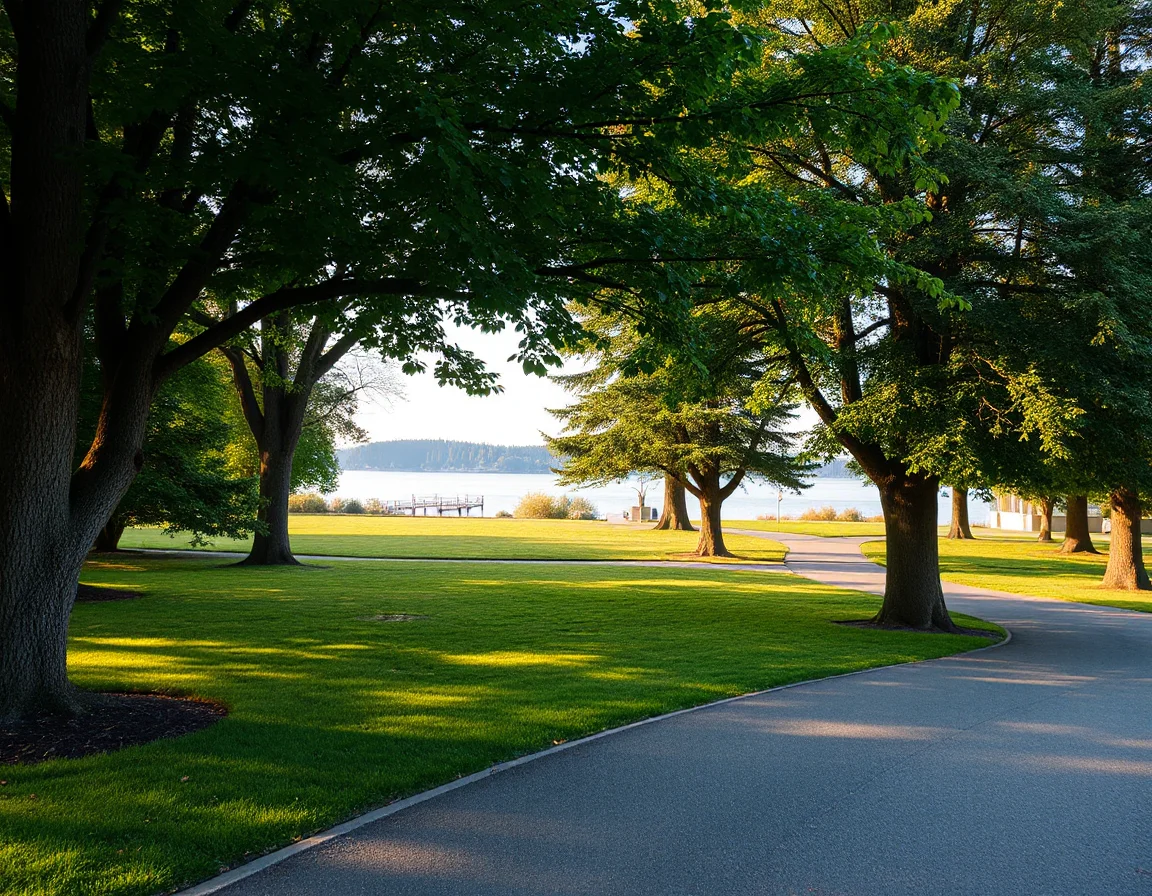
Water is equally central to the local experience. Elliott Bay, Lake Union, Lake Washington, the Ship Canal, and smaller shoreline areas create opportunities for walking, boating, paddling, fishing, and simply taking in the view. Public access points vary widely, as do parking rules, seasonal conditions, and nearby facilities. When looking at a property promoted as “near the water,” it helps to clarify whether that means a water view, a walkable public shoreline, a marina nearby, or direct access.
Seattle weather encourages a flexible approach to outdoor time. Long summer evenings make parks and waterfront paths especially inviting, while autumn and winter reward good rain gear and an appreciation for mossy trails, dramatic cloud cover, and changing light on the water. Homes with useful entry storage, covered outdoor areas, durable surfaces, and adaptable indoor-outdoor space can be practical features in this climate.
The city also offers many places to gather outdoors without traveling far. Community gardens, public plazas, seasonal events, sports fields, and dog-friendly areas contribute to a lived-in urban environment. Availability and maintenance vary by location, so buyers may want to review nearby public amenities alongside the home itself rather than relying only on listing descriptions.
Dining, Culture, and Neighborhood Errands
Seattle’s dining scene is distributed across the city rather than concentrated in one district. You can find coffee, seafood, global cuisines, bakeries, casual counters, and destination meals in neighborhoods from Ballard and Fremont to Capitol Hill, Columbia City, West Seattle, Beacon Hill, and the University District. The details matter: one address may place a cluster of everyday options a few blocks away, while another may trade walkable errands for larger lots, a quieter street setting, or easier vehicle access.
Beyond dining, the city supports a broad mix of cultural and civic destinations. Museums, performance venues, independent bookstores, public libraries, farmers markets, sports venues, and waterfront attractions create reasons to explore different parts of Seattle throughout the year. People moving from outside the region often find it useful to spend time in several areas at different hours, noticing traffic patterns, street activity, light, noise, and the pace of the block.
A neighborhood visit is most useful when it includes the small routines: parking, a grocery run, a walk to transit, and an evening return home. Those details often reveal more than a quick weekend tour.
For households with education-related needs, Seattle Public Schools and a range of independent and higher-education institutions are part of the broader landscape. Enrollment procedures, transportation, program availability, attendance boundaries, and admission requirements can change, so prospective residents should consult each institution directly for current information. This approach keeps decisions grounded in verified details rather than assumptions about an area.
What Waterfront Living Can Mean in Seattle
Waterfront living in Seattle comes in many forms. A condominium overlooking Elliott Bay may offer a front-row perspective on ferries and changing weather. A Lake Union address can place boating activity and urban energy nearby. Properties near Lake Washington may feature shoreline outlooks, beach access points, or proximity to parks, while homes on inland hills can capture filtered views without sitting directly at the water’s edge.
Each option comes with a different set of questions. Review the orientation of the unit or home, seasonal sun exposure, public access nearby, shoreline regulations, maintenance responsibilities, parking, HOA documents for condominiums, and any view considerations that matter to you. For a waterfront or view property, a thorough inspection and a clear review of ownership boundaries, easements, and applicable regulations are essential parts of due diligence.
The local housing stock is equally varied. Seattle includes historic houses, mid-century residences, townhomes, new construction, loft-style spaces, condominium buildings, and multifamily properties. Pricing, competition, condition, and inventory can shift quickly by neighborhood and property type. A focused search begins with your nonnegotiables—location, layout, transit or parking needs, outdoor access, maintenance tolerance, and budget—then leaves room to compare tradeoffs.
Start with How You Want to Use the City
Seattle is best understood as a collection of connected places rather than a single experience. One day may include a ferry crossing, a trail walk, a meal in a neighborhood gathering spot, and sunset along the water; another may be shaped by a rail commute, a quick errand, and a rainy evening at home. The right location is not about a universal “best” neighborhood—it is about finding a property and surroundings that support your own routines, priorities, and plans.
As you explore, give each area enough time to show its everyday character. Compare travel routes, visit nearby parks, review property details carefully, and ask informed questions about the features that will matter after closing day. With a clear search strategy, Seattle’s mix of transit, green space, local amenities, and water-focused living can become an exciting foundation for your next move.