
A well-planned exterior paint project does more than refresh a Seattle home’s appearance: it can help seal vulnerable surfaces against moisture, reveal needed repairs, and strengthen first impressions when it is time to sell. The best results come from choosing durable products, allowing for local weather, and treating preparation as the main event rather than an afterthought.
Start With Protection, Not Just Color
In the Puget Sound region, exterior paint works hard. Rain, winter dampness, shade from mature trees, summer sun, and changing temperatures can all affect wood siding, trim, fascia boards, and exterior doors. A fresh coat may create an immediate visual lift, but the lasting value comes from the protective layer it provides when surfaces are clean, dry, repaired, and properly primed.
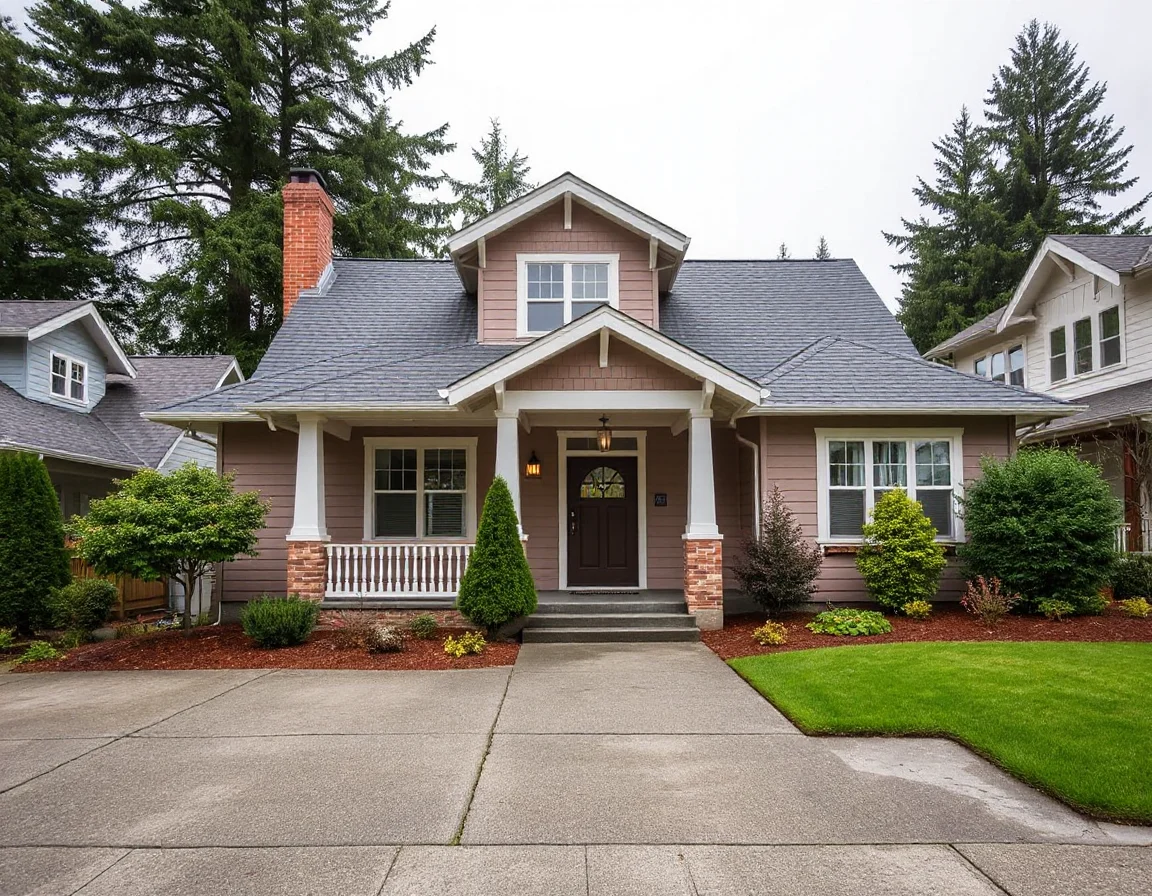
Before selecting a paint color, take a slow walk around the property. Look for peeling edges, hairline cracks, soft spots in trim, open seams around windows, and areas where soil or vegetation rests against siding. These details can point to moisture exposure or deferred maintenance. Paint cannot solve a flashing issue, damaged caulk, or failing gutter, but the project is an excellent opportunity to identify and address those items before they become more costly.
Preparation often includes washing away mildew and airborne residue, scraping loose paint, sanding rough transitions, replacing damaged material, and caulking joints that need flexibility. The exact approach depends on the siding material and its condition. Wood, fiber cement, metal, stucco, and engineered wood products each have different cleaning, priming, and coating needs, so following manufacturer guidance matters.
On a damp-weather property, the most valuable paint decision may be scheduling: coating surfaces before they are fully dry can shorten the life of an otherwise high-quality finish.
Seattle’s weather makes timing especially important. A dry stretch with moderate temperatures gives coatings the best chance to adhere and cure as intended. Morning dew, an unexpected shower, or painting late in the day when temperatures drop can complicate the process. Experienced contractors track surface conditions, not just the forecast, because siding can retain moisture after rain has ended.
Choose Colors That Work With the Home’s Fixed Features
Color selection is where maintenance meets curb appeal. The goal is not to chase a momentary trend; it is to choose a palette that complements the roof, masonry, pathways, landscaping, and architectural style already in place. A restrained exterior scheme can make a home look cared for and cohesive, while an accent door, shutters, or carefully chosen trim color can add definition without overwhelming the façade.
Start by observing undertones. A gray roof may lean blue, brown, charcoal, or green depending on the light. Brick can carry warm red, tan, or charcoal notes. Concrete, stone, and mature plantings also influence how paint reads from the street. Test large sample areas on more than one wall, then view them in morning light, cloud cover, and late afternoon. Colors that look crisp on a tiny card can appear much brighter or darker across an entire elevation.
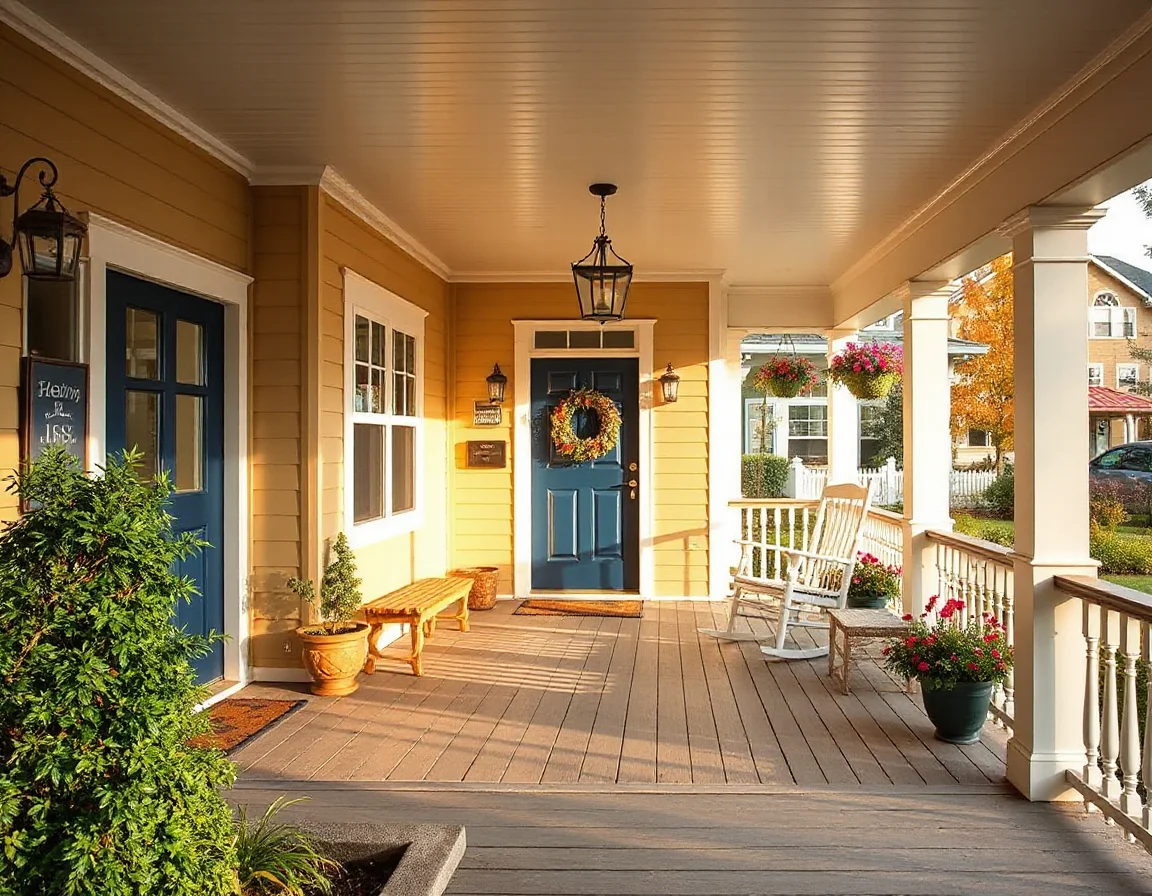
For homes preparing for the market, a polished neutral base often helps architectural details stand out in listing photography and in-person visits. That does not mean every property needs the same shade of gray or beige. Soft greens, blue-grays, warm off-whites, and earth-toned charcoals can all work beautifully when paired intentionally with the home’s permanent materials. Consistency matters more than a single “best” color.
Do not overlook the small elements that shape the overall impression: porch ceilings, railings, window trim, soffits, garage doors, gates, and house numbers. When these pieces are clean and coordinated, the exterior feels complete. Conversely, a newly painted siding field beside weathered trim can draw attention to unfinished work. A project plan should identify which surfaces will be painted now and which should be repaired, cleaned, or refreshed to match.
A curb-appeal update is most effective when it reads as maintenance completed, not decoration added—clean trim lines, sound caulking, and a tidy entry make the finish feel credible.
Build a Practical Scope and Budget
Exterior paint estimates can vary widely because square footage is only one part of the equation. The number of stories, amount of trim, accessibility, existing paint condition, surface repairs, lead-safe work practices for older homes, and prep requirements all influence the final scope. Ask for an estimate that separates preparation, repairs, primer, paint coats, and cleanup so the work is easier to compare.
It is also worth clarifying the product system. Quality exterior coatings are designed for different substrates and exposure levels, and primers are not interchangeable. A contractor should be able to explain why a particular product is appropriate for the siding, trim, or masonry involved. Keep records of paint colors, sheen levels, dates, and repair work; that information can simplify future touch-ups and provide useful maintenance history.
For owners considering a sale, paint is rarely a substitute for a broader pre-listing plan. It works best alongside attention to landscaping, drainage, roof and gutter maintenance, exterior lighting, and visible repairs. Prioritize issues that affect the property’s condition before spending heavily on purely cosmetic upgrades. A local real estate professional can help connect the project scope to current buyer expectations and the home’s competitive set.
Maintain the Finish After the Project Is Complete
A new paint job should be the beginning of a maintenance routine, not the end of one. At least once or twice a year, inspect the exterior for clogged gutters, splashback near downspouts, vegetation touching siding, cracked caulk, and paint wear around horizontal ledges. Gentle seasonal cleaning can remove grime and organic growth before it has time to discolor the finish or hold moisture against the structure.
Pay close attention to the lower courses of siding, window and door trim, railings, and areas under roof lines. These spots often show weathering first. Small touch-ups performed with compatible paint can help prevent a localized failure from spreading into a larger repair. If paint begins peeling repeatedly in one location, investigate the underlying cause rather than simply applying another coat.
Whether the objective is protecting a long-held property, preparing a listing, or improving a rental home’s upkeep, an exterior paint project can deliver both practical and visual benefits. Thoughtful preparation, weather-aware scheduling, materials suited to the surface, and a cohesive color plan give Seattle homes a finish that looks inviting while supporting the siding underneath.